
DocEase
UX/UI Design 2024
A comprehensive medical app offering doctor appointments, health tracking, and real-time communication to enhance patient care and streamline hospital services.
Project Context
Apr 2024 - Jun 2024
Designer: Lingxin Sun
My Role
User Interface design
User Experience Design
Information Architecture Ideation
Prototyping & Animation
Tools
Figma
Adobe Illstrator
PROBLEM
“How might we unify access to health services, providing patients with enhanced support before, during, and after treatment?”
Patients face challenges in healthcare, such as complex bookings, poor communication, and medication management issues. Current systems lack user-friendly designs, especially for less tech-savvy users, leading to anxiety and ineffective treatment outcomes.
THE SOLUTION
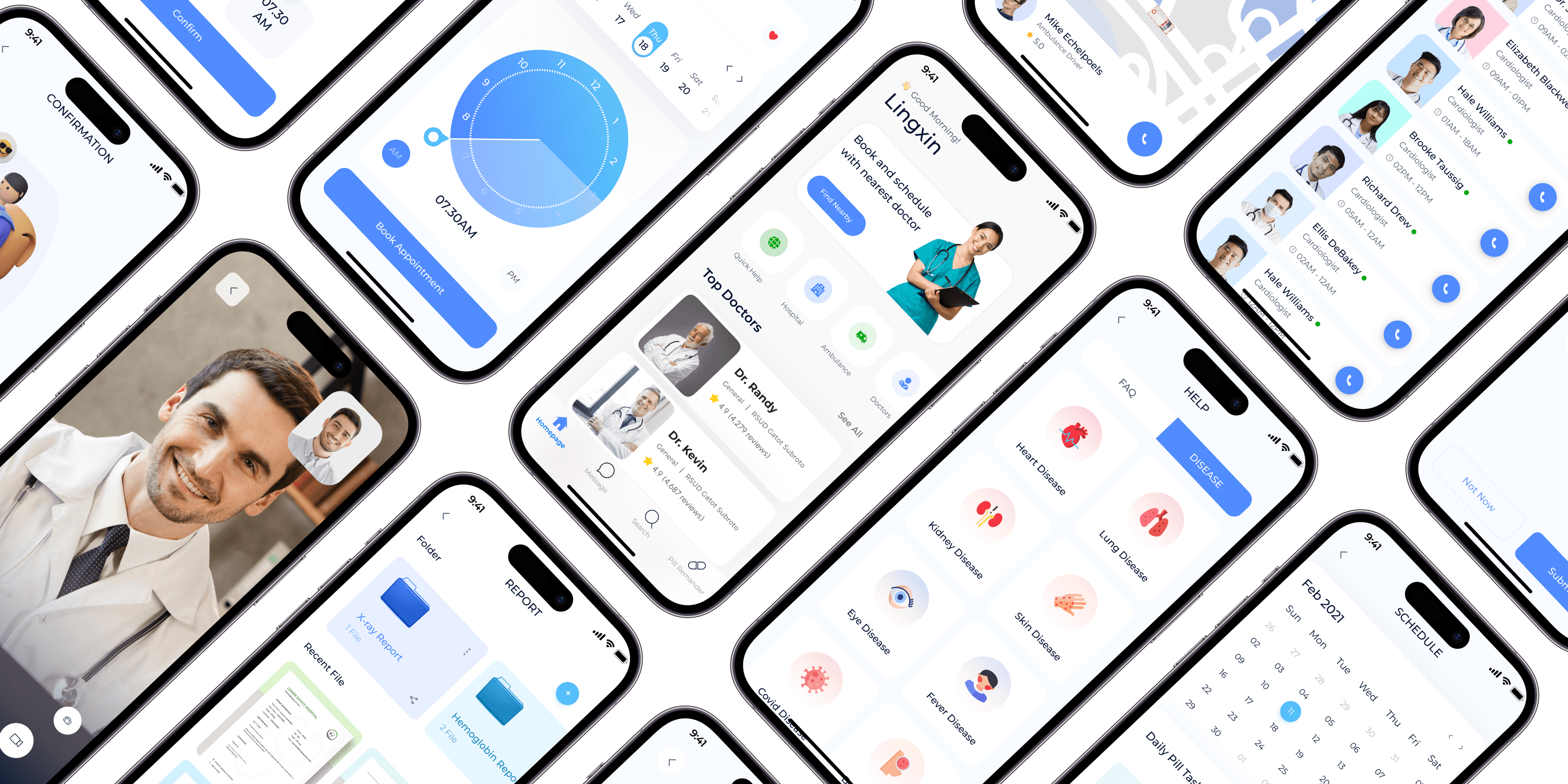
I designed DocEase, a user-friendly medical platform that empowers patients by streamlining appointment scheduling, providing seamless access to health records, and enabling real-time communication with doctors.
DocEase
Your health journey begins here


Timely Care
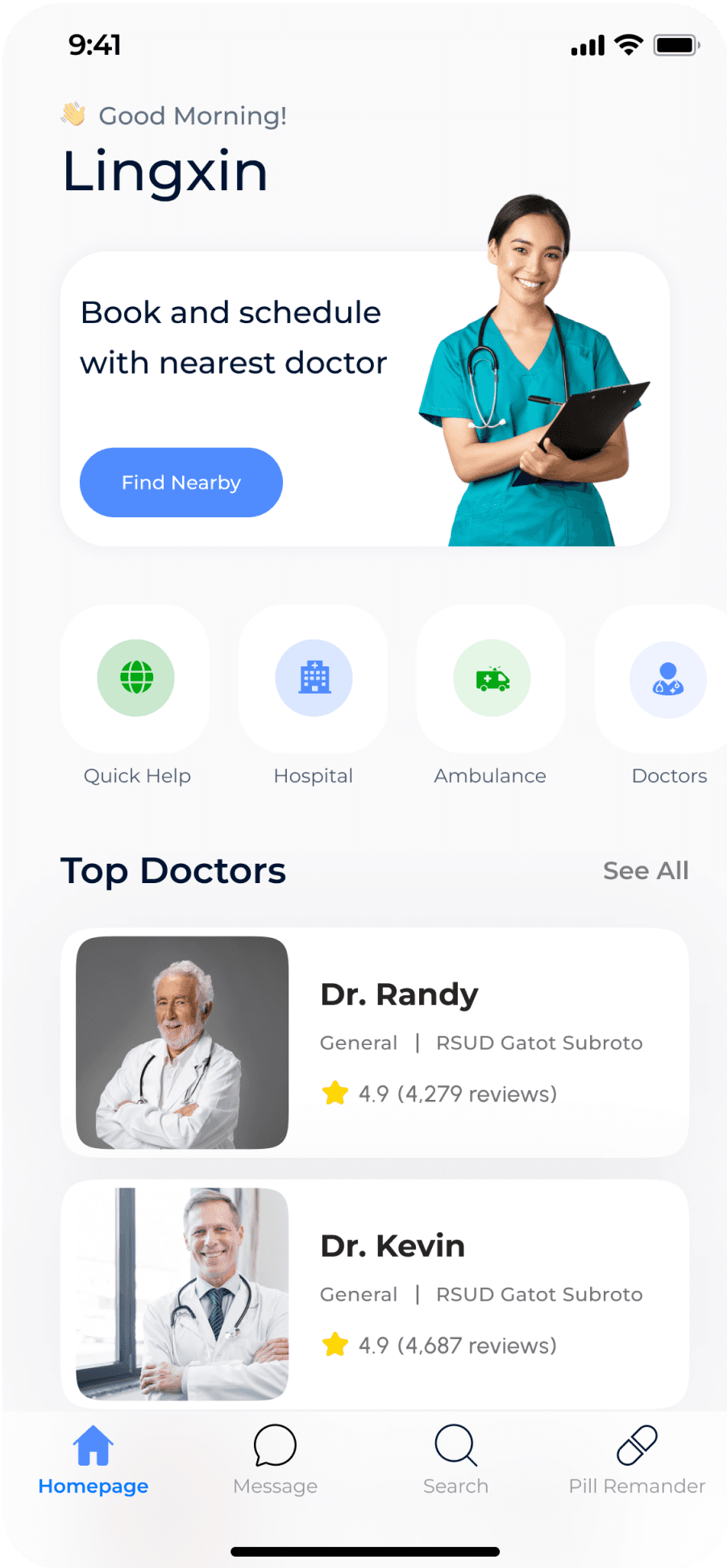
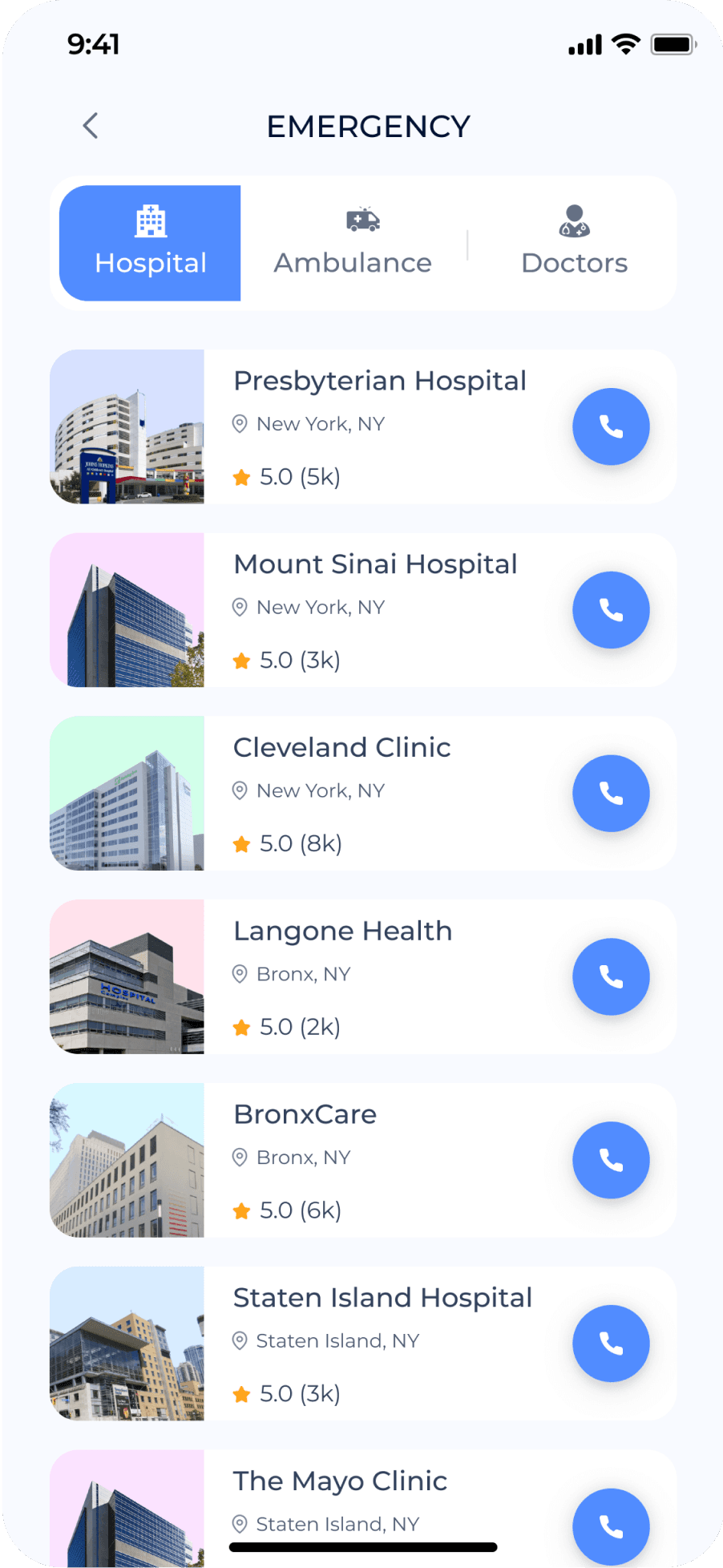
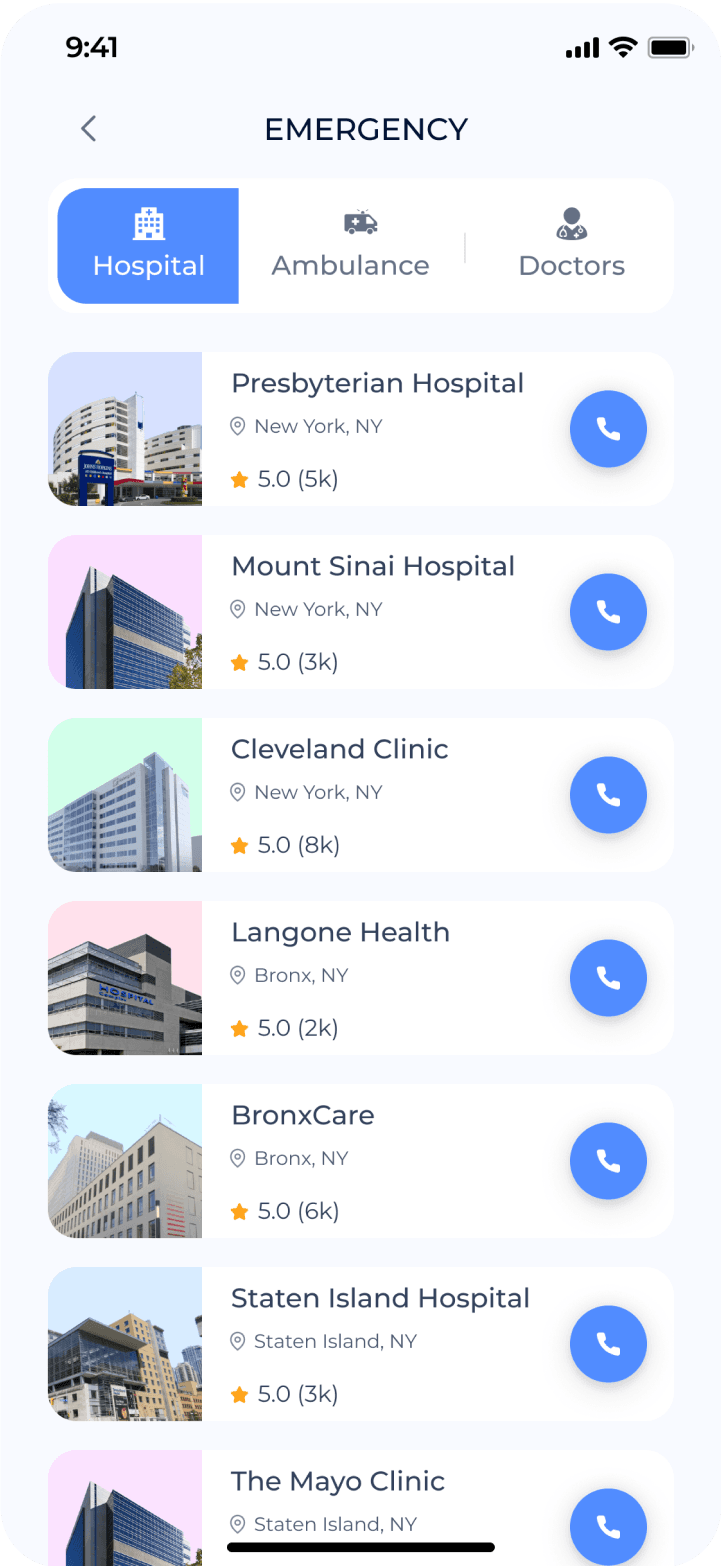
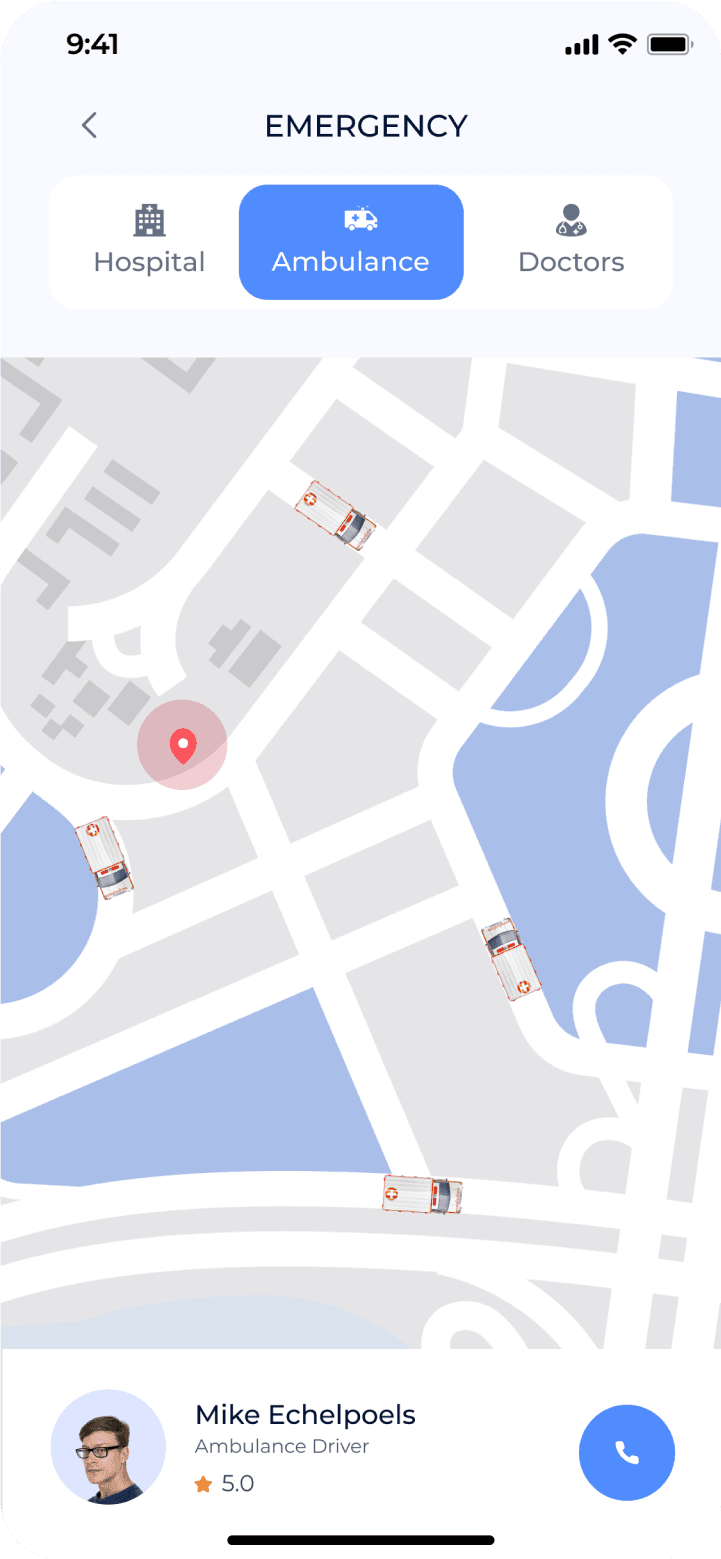
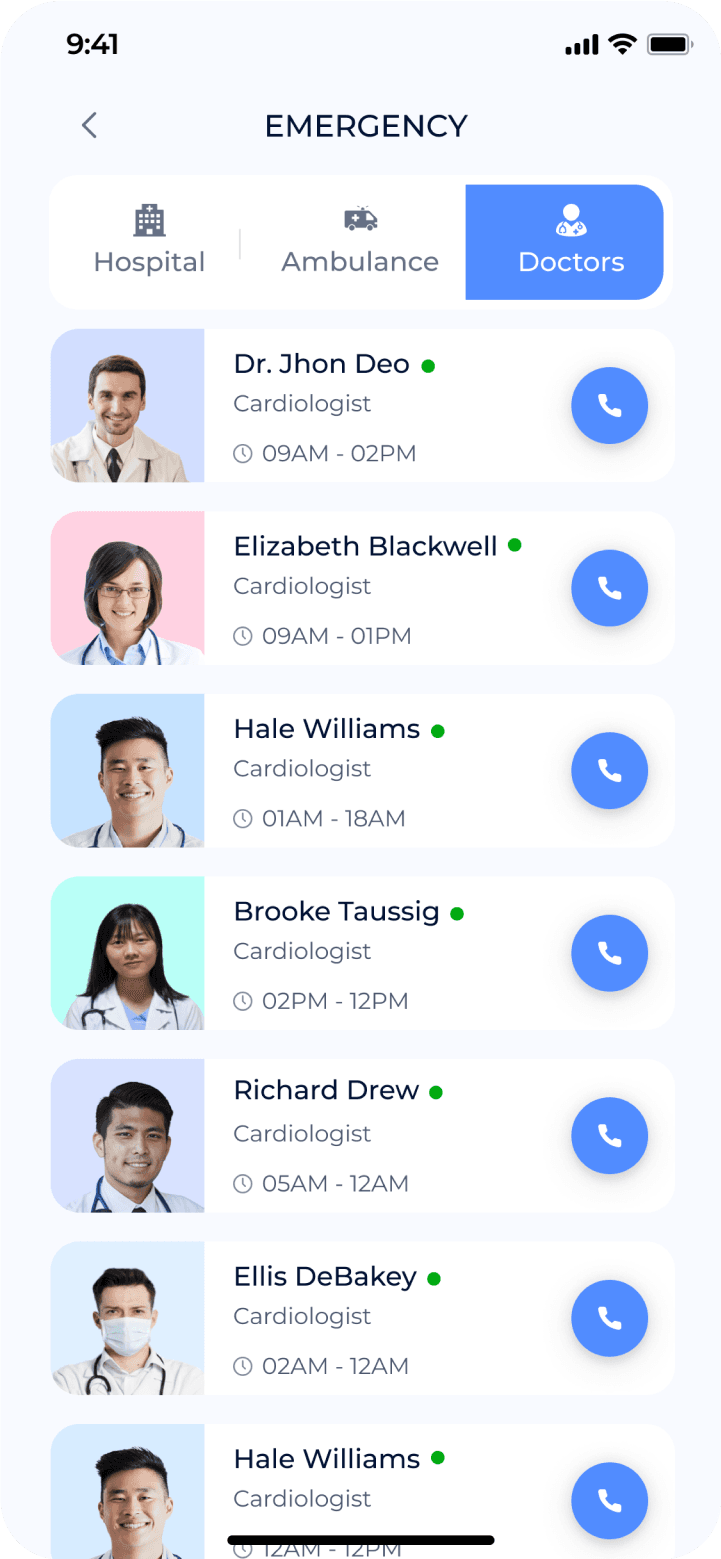
Patients could directly search for the nearest hospitals and ambulances.
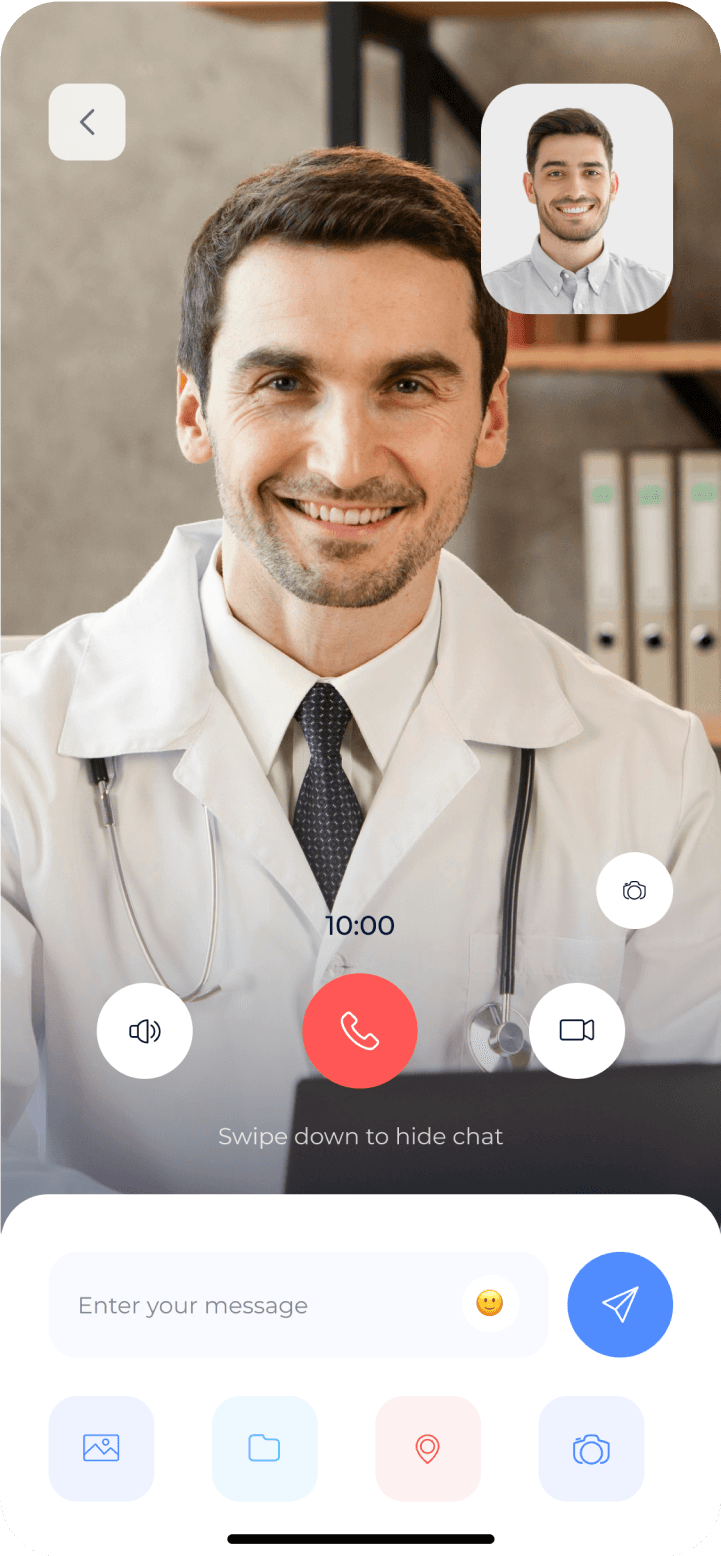
Patients can directly contact doctors to seek further assistance.
This direct approach to healthcare can significantly reduce patients' anxiety before seeking medical attention.
Improved doctor-patient communication
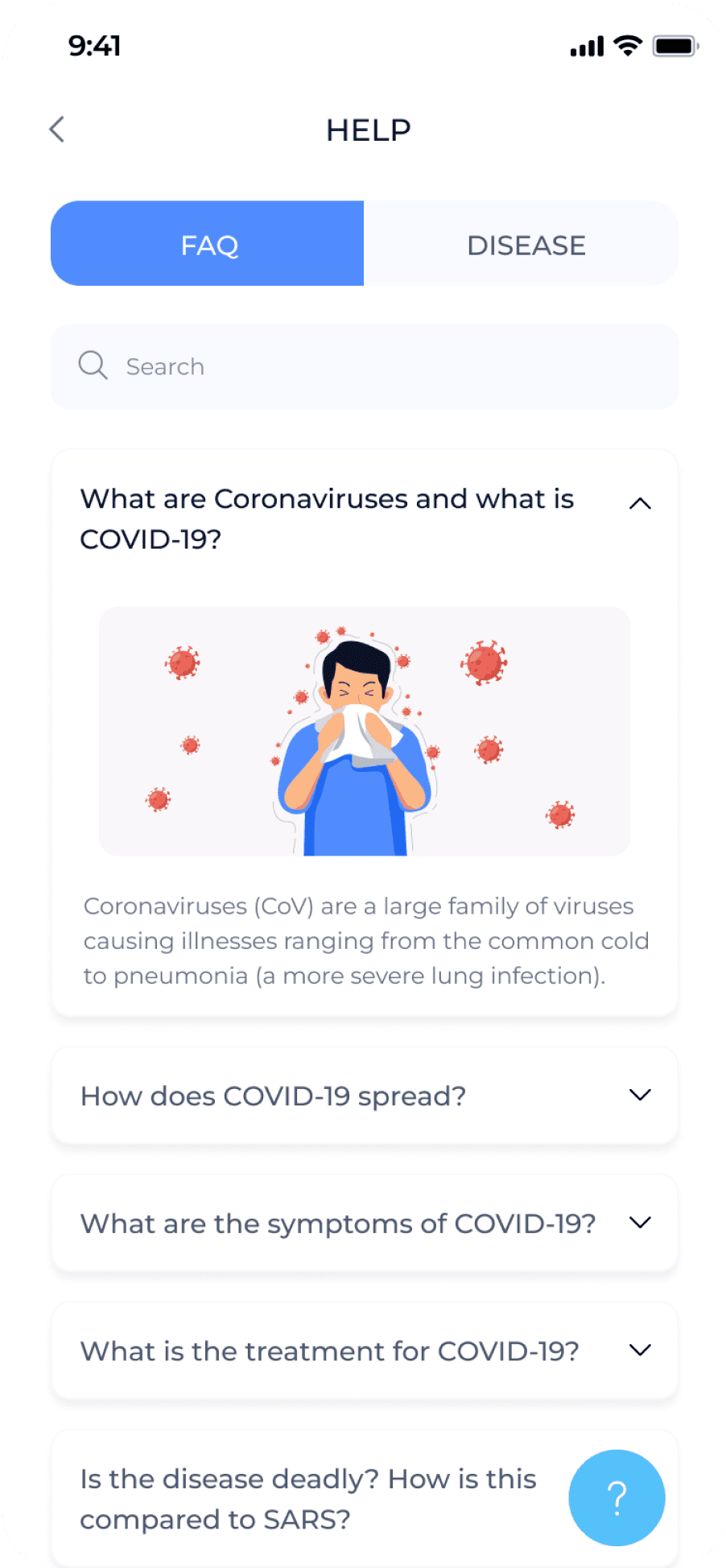
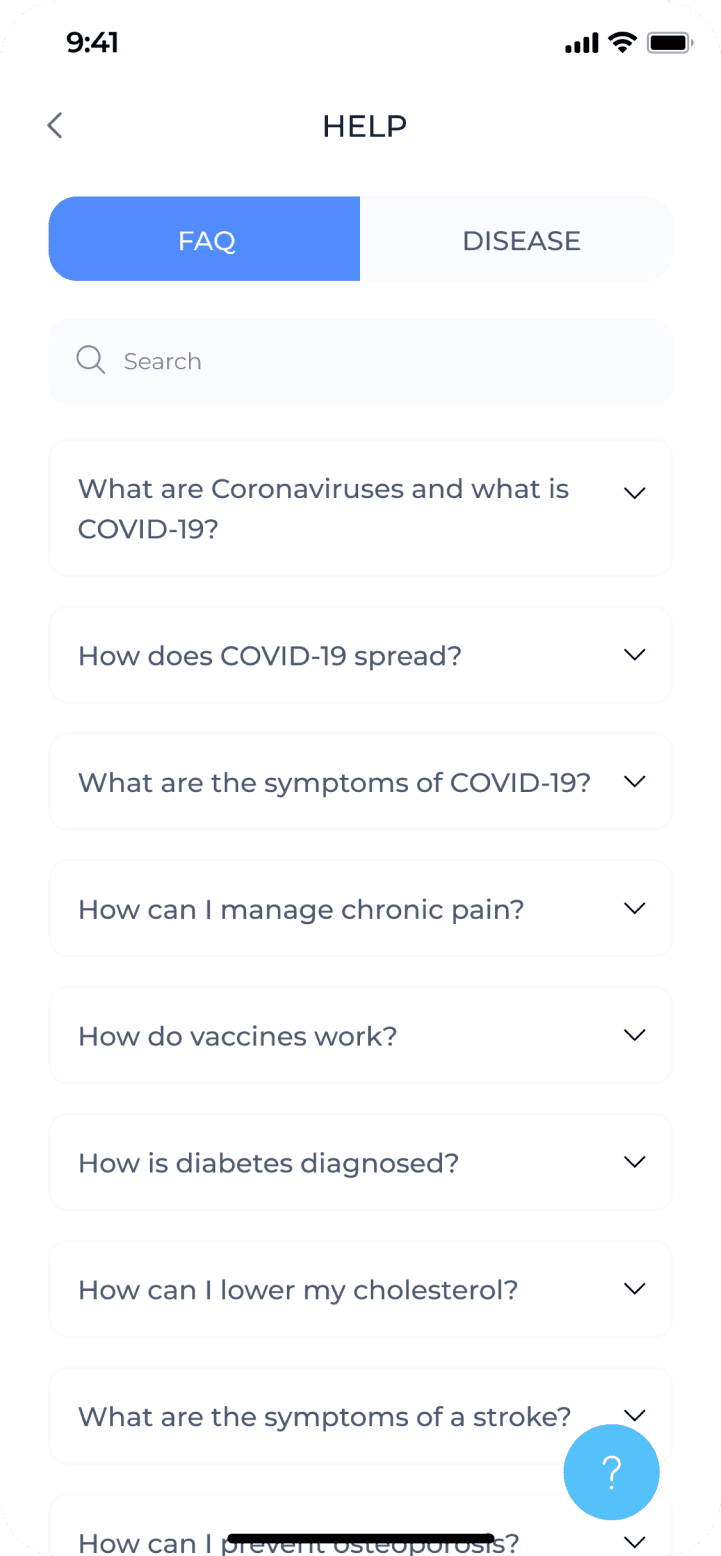
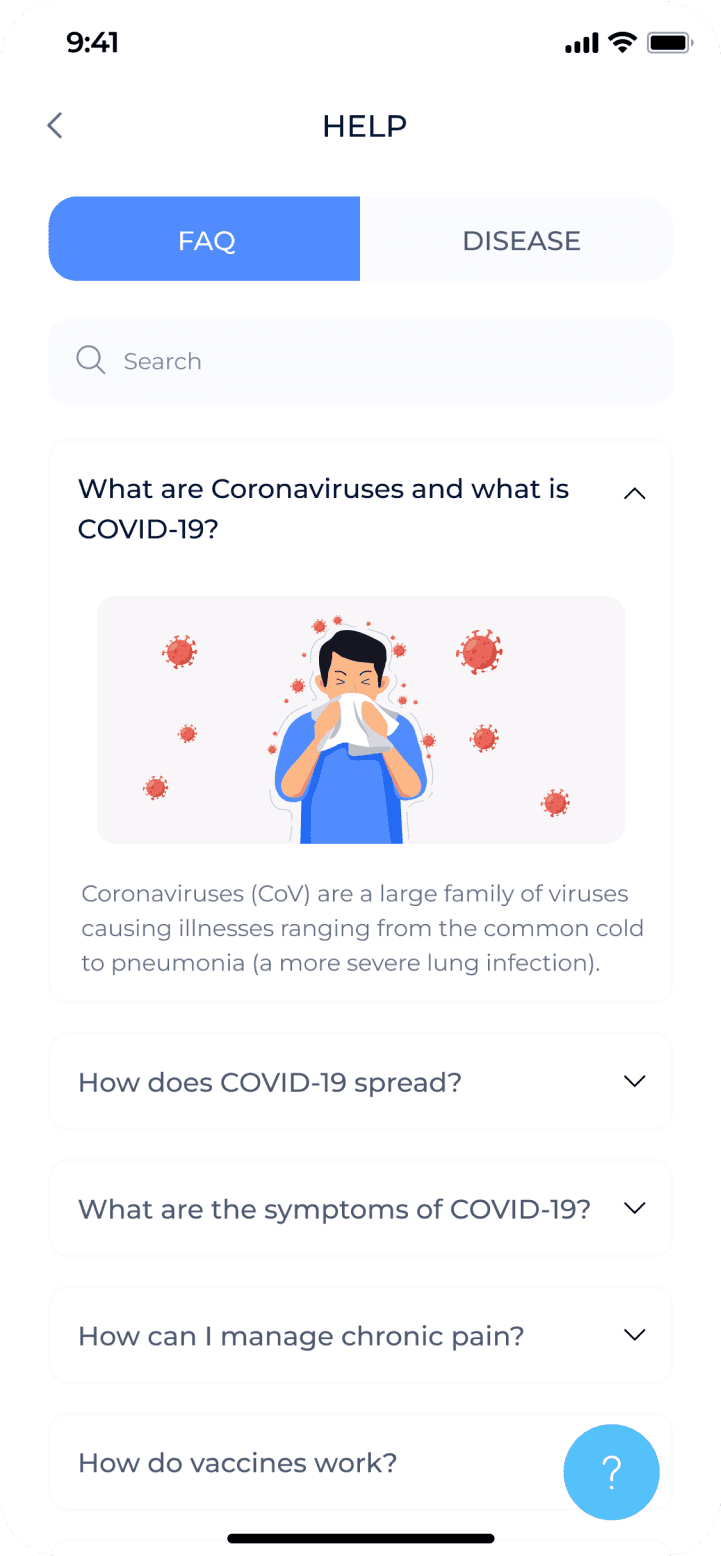
Patients can preliminarily identify their condition and possible solutions through a Q&A process while waiting.
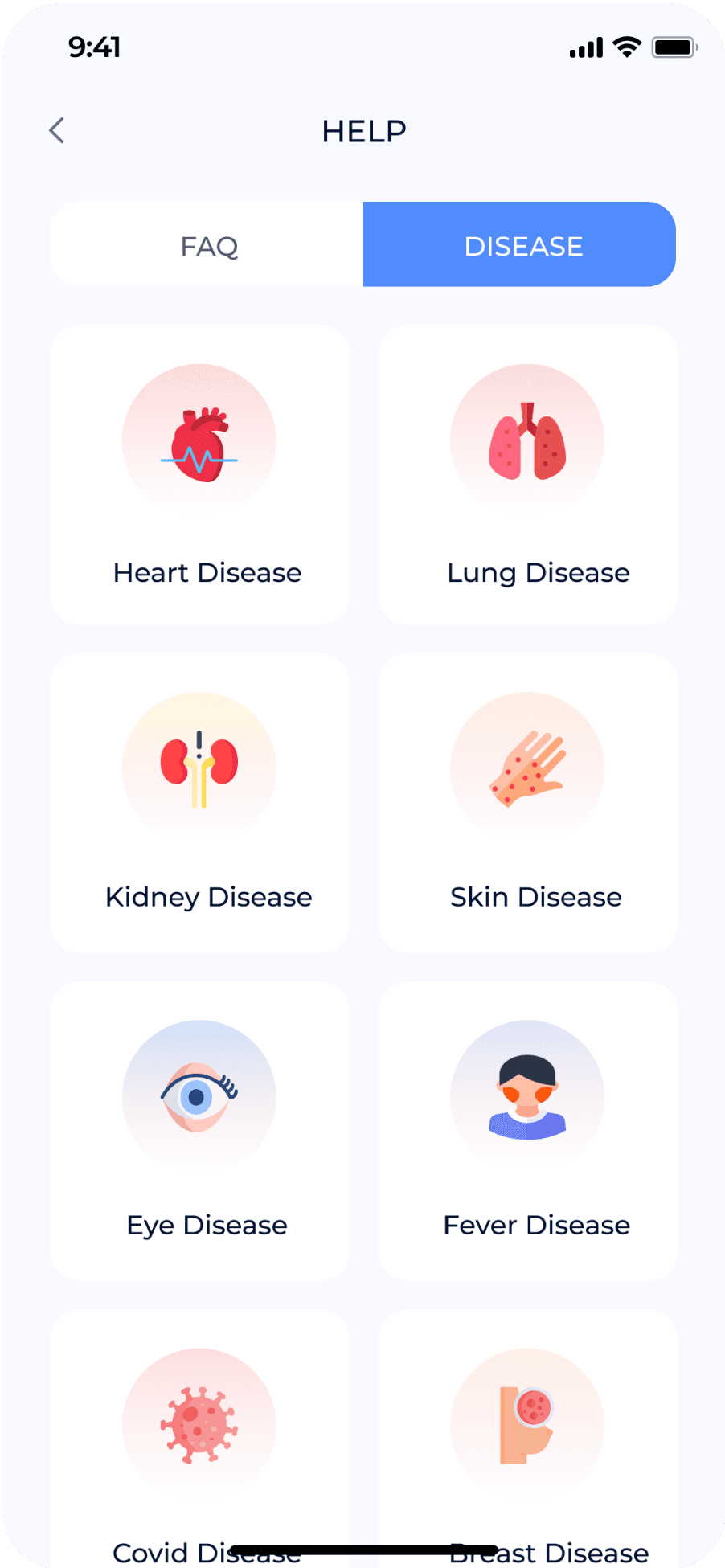
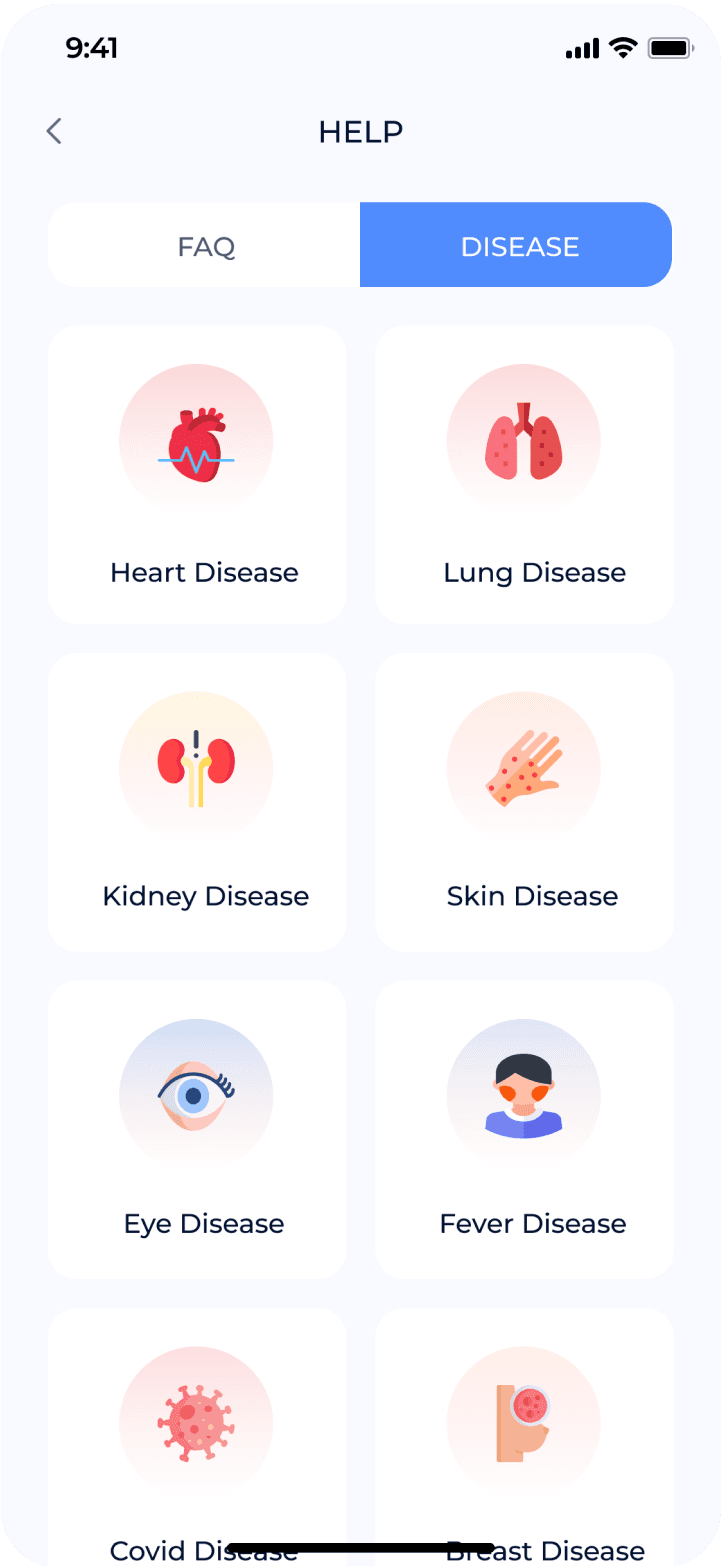
Users can select organ icons for targeted assistance.
A basic symptom understanding improves doctor-patient communication.


Medication Management for Effective Treatment
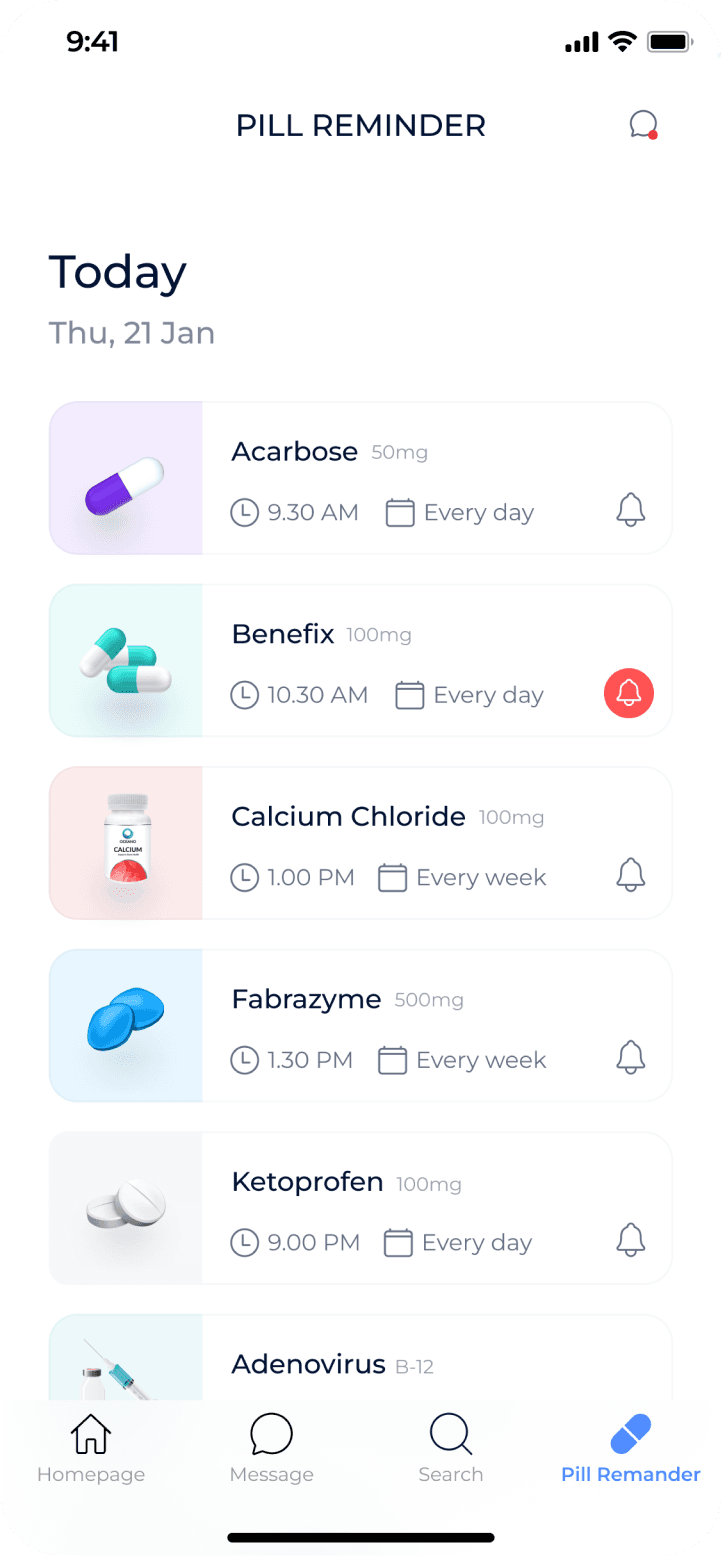
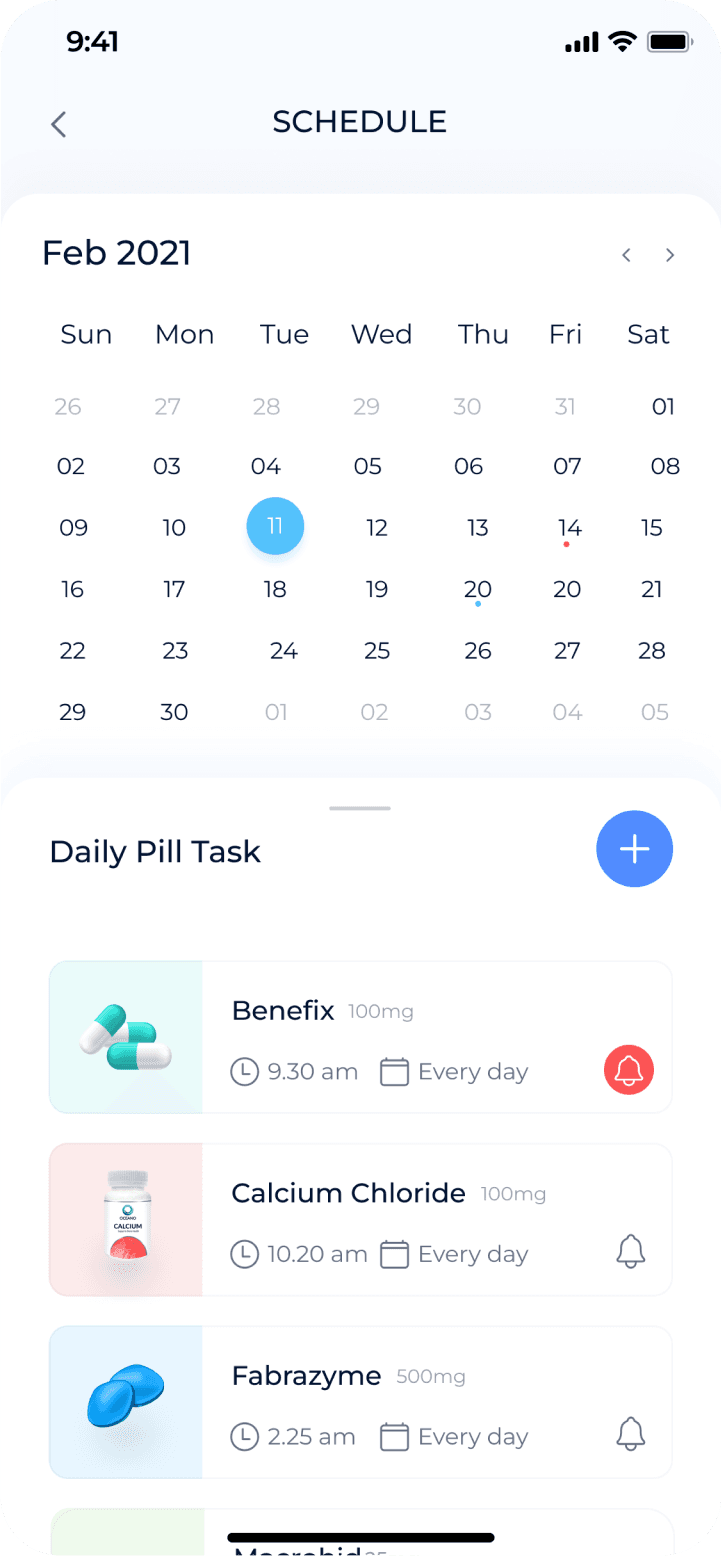
Patients can view daily or weekly reminders to ensure timely medication intake.
Clear display of medication dosage and schedule helps prevent missed or incorrect doses.
Consolidated medication reminders and health information enable users to receive personalized medication alerts in a timely manner.
THE IMPACT
Simulated use of DocEase demonstrated a significant improvement in patient consultation efficiency:
80%
Improved communication for 80% of users, enabling faster diagnoses.
95%
Q&A helped 95% of patients understand symptoms better.
90%
supported 90% of patients in following their medication plans.
RESEARCH
How do patients and doctors collaborate in modern healthcare communication?
USER RESEARCH
Through interviews with individuals aged 20 to 50, discussions with practicing doctors, and an in-depth analysis of Google Maps hospital reviews, I discovered a series of frustrating obstacles that patients frequently encounter before and after medical consultations.
What challenges do users face before medical consultations?
Key Challenges in the Patient and Healthcare Provider Experience
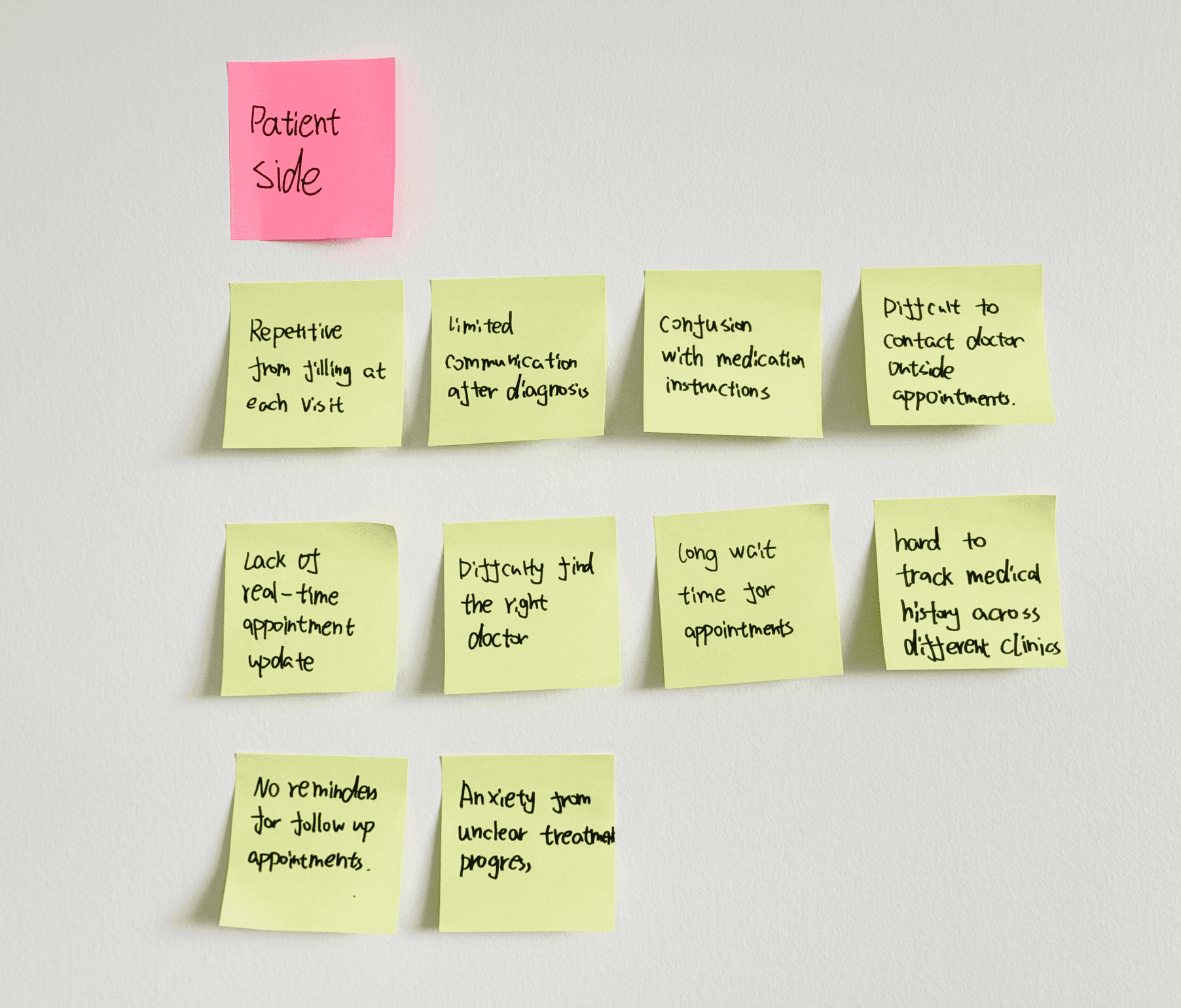
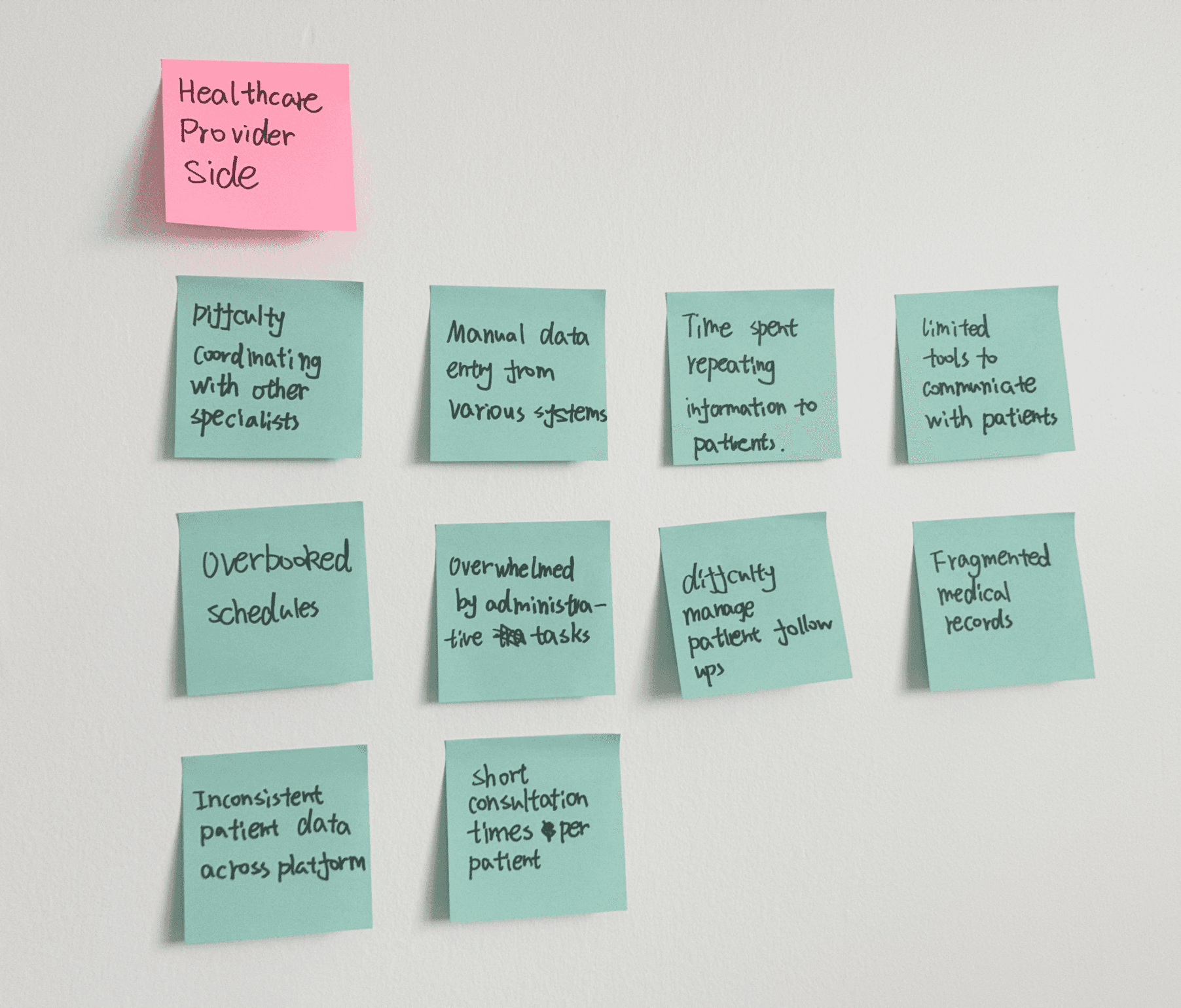
Inefficient communication and fragmented processes delay treatment and burden both patients and providers, highlighting the need for a streamlined, integrated healthcare solution.
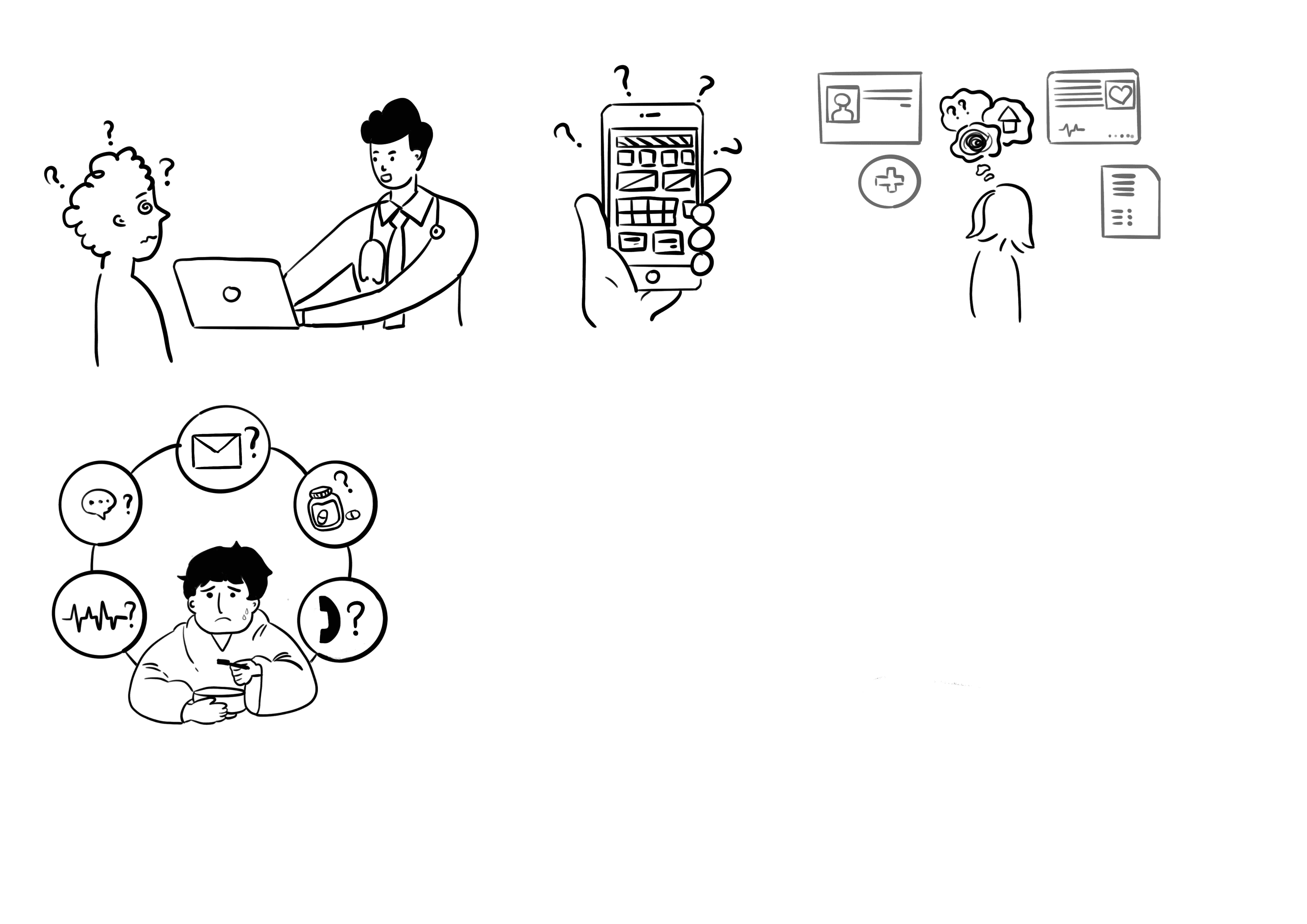
The Consultation Journey
Info is messy
Paperwork overwhelms
Too much doctor info
Hard to follow up
Journey Map
Insights
These struggles—though small in isolation—pile up like bricks on the patient’s chest, suffocating them with stress and resistance. This accumulation of inconvenience can heighten patients’ anxiety, making every hospital visit more intimidating than the last.
CARD SORTING
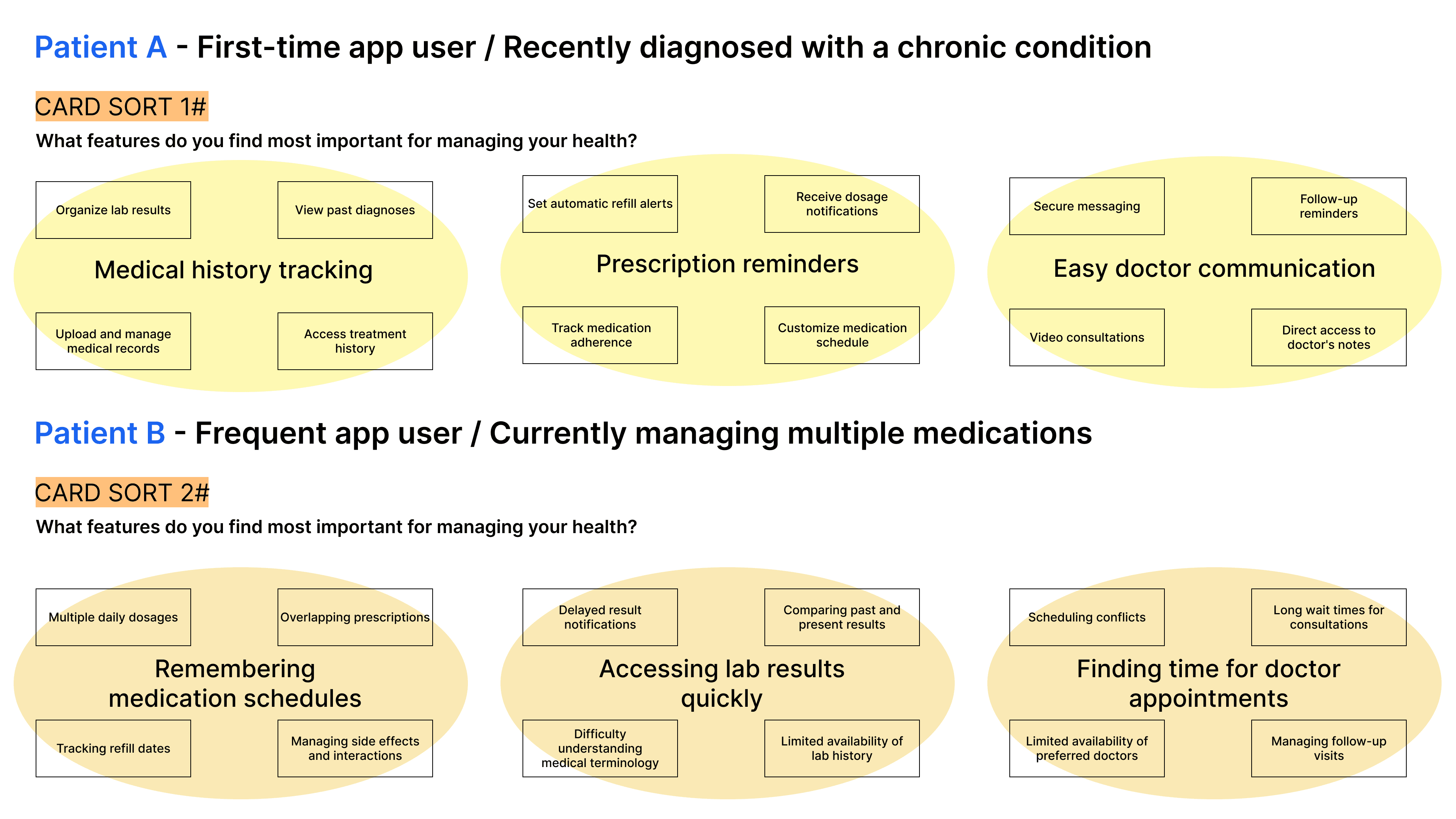
How Patients Prioritize Healthcare Features
To address the issue of information messy, I utilized card sorting as a key tool to structure and clarify user needs. Conducting two rounds of card sorting—one focusing on broad categories like medical history, prescription reminders, and doctor communication, and another on specific tasks such as accessing lab results and scheduling appointments—helped me quickly organize and refine the information architecture. This process ensured a user-friendly structure that aligns with the distinct priorities of first-time and frequent app users, making the app intuitive and efficient.
RESEARCH FINDINGS
Enhance Treatment Success with Medication Reminders
Streamline Doctor Appointments for Better User Experience
Improve App Usability with Better Interactivity
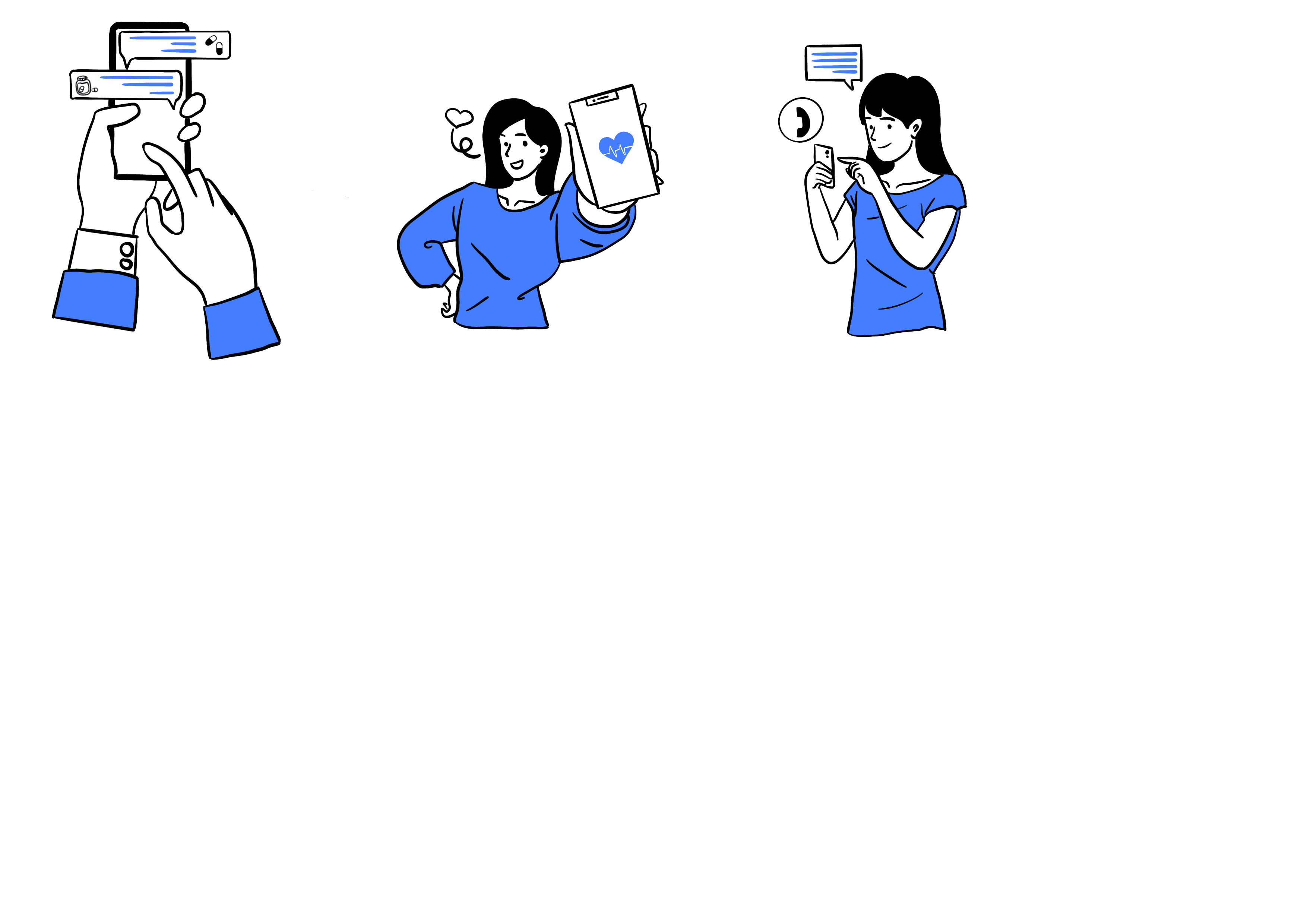
VALUE PROPOSITION
“A comfortable treatment process”
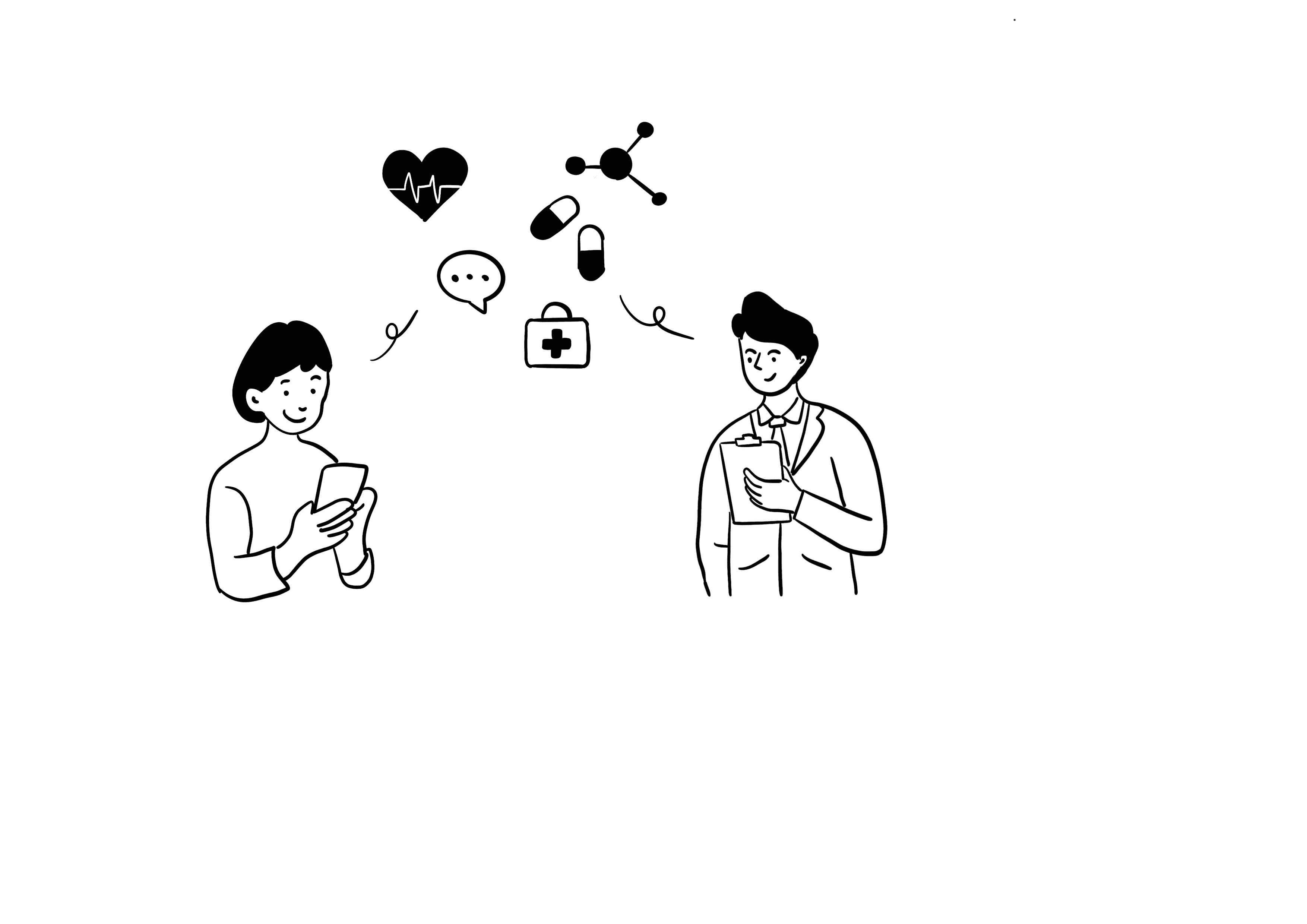
Strong doctor-patient relationship
Personalized health reminders
Simple interface operation
Easy healthcare experience
IDEATION
Designing a healthcare experience tailored to patient needs.
COMPETITIVE ANALYSIS
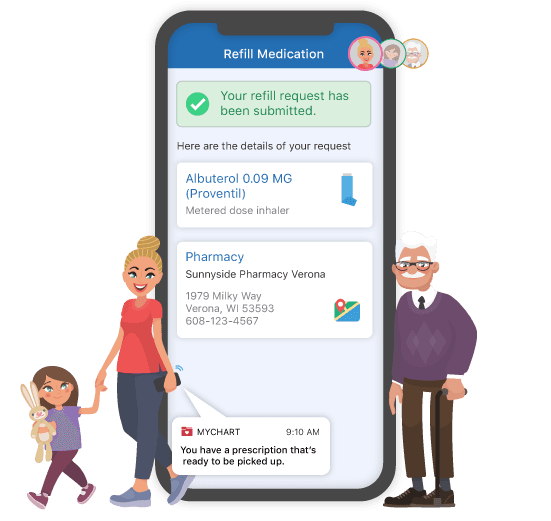
Through an in-depth review of MyChart, a widely-used healthcare app, I identified several opportunities for improvement in enhancing the patient experience:
Limited focus on user experience: MyChart emphasizes results over navigation and engagement.
Suboptimal toolbar grouping: The toolbar categories are unclear, making navigation inefficient.
Gaps in addressing patient needs: Existing features lack support for consultations and follow-up care.
Opportunities for automation: Adding personalized reminders and workflows could boost efficiency.
USER TESTING
Optimizing user testing for enhanced experience
Designed to align with patient behaviors and medical workflows
I conducted 3 usability sessions
Focused on refining the information architecture for appointments and communication
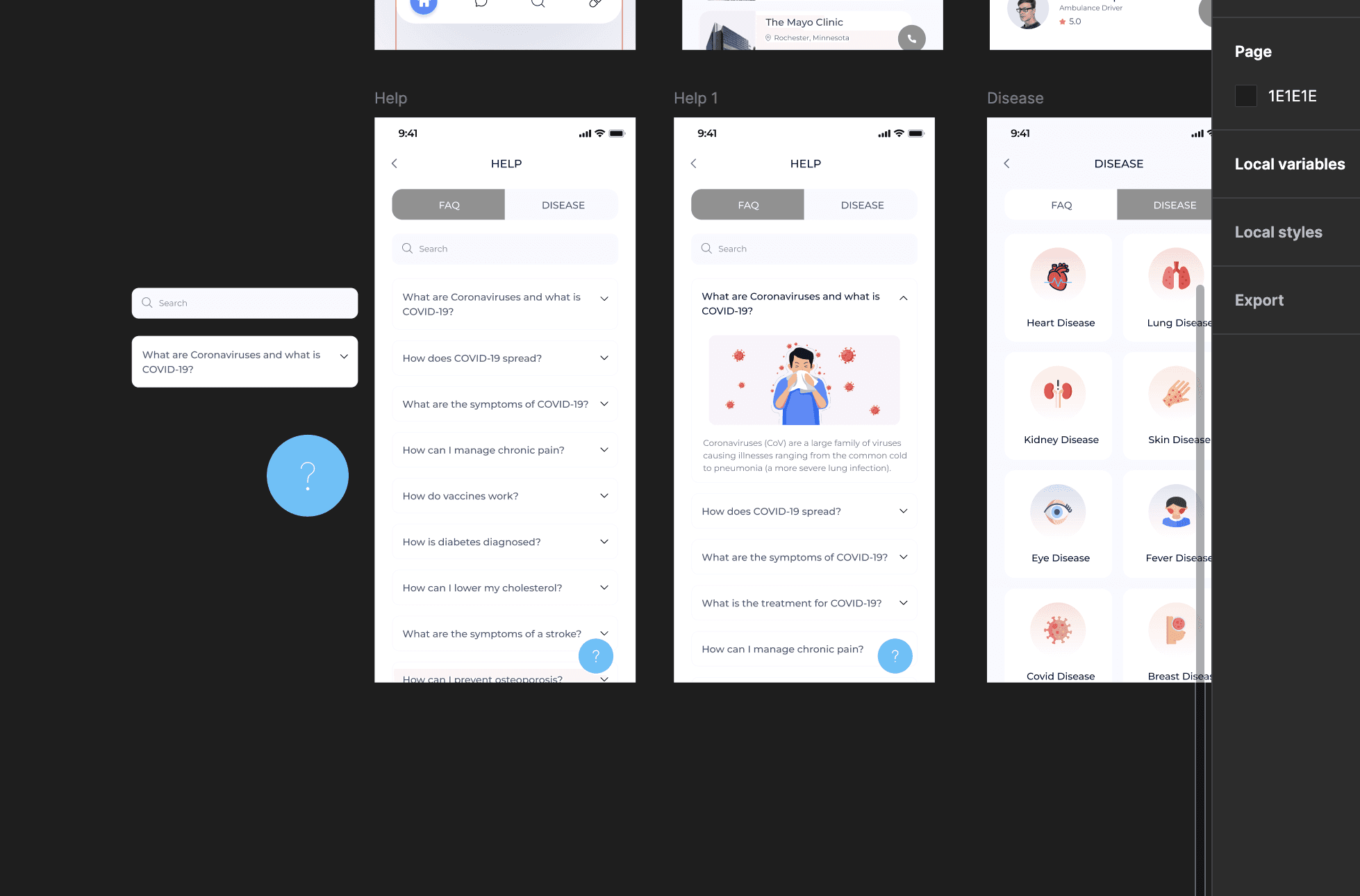
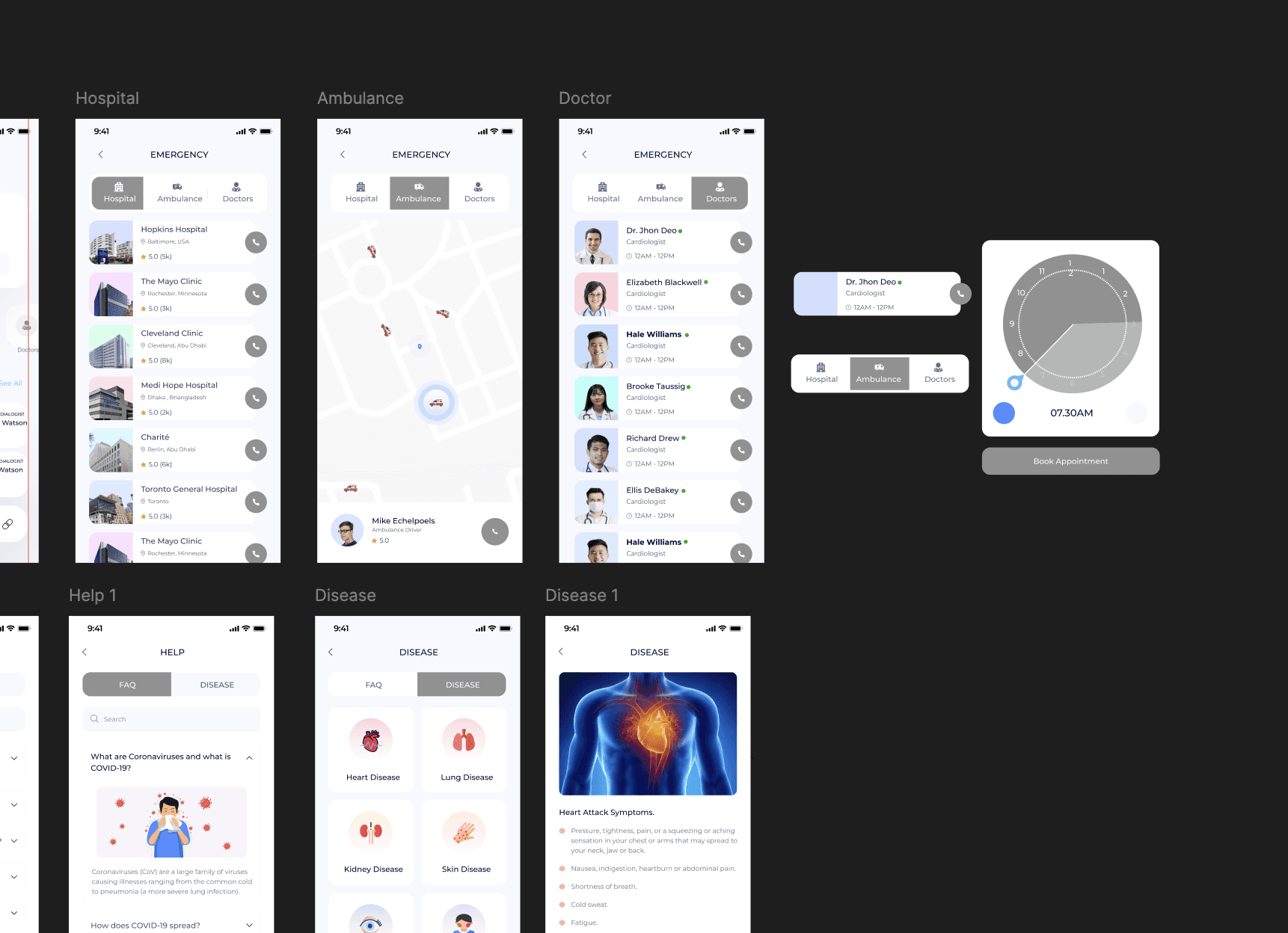
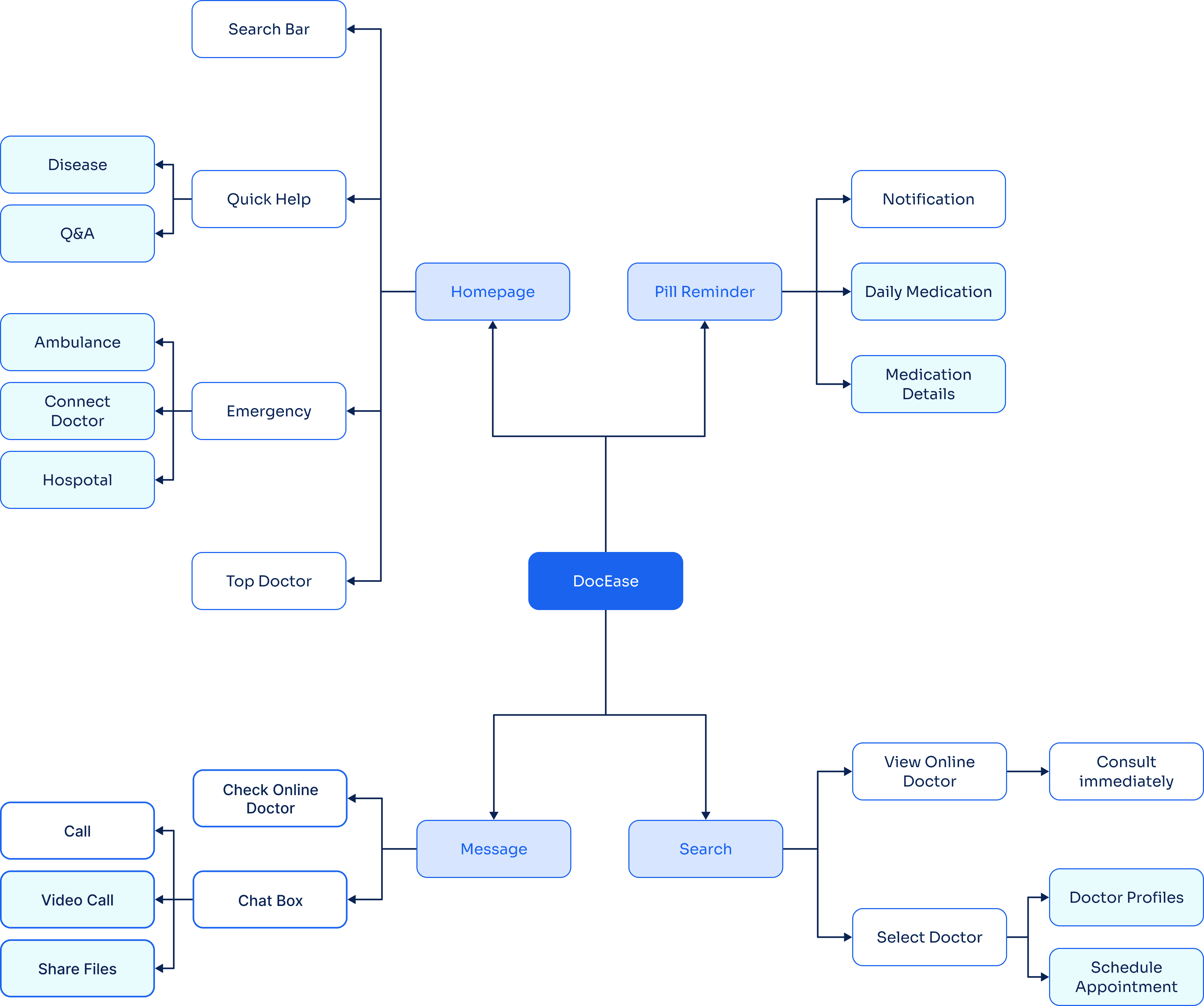
During testing, users were encouraged to adjust the layout of features within the prototype to best match their usage preferences. The process was designed to align with patient behaviors and medical workflows, incorporating insights from 3 usability sessions. It also focused on refining the information architecture to streamline appointments and communication for an optimized user experience.
INFORMATION ARCHITECTURE
DESIGN
Enhancing usability through intuitive design
DESIGN SYSTEM
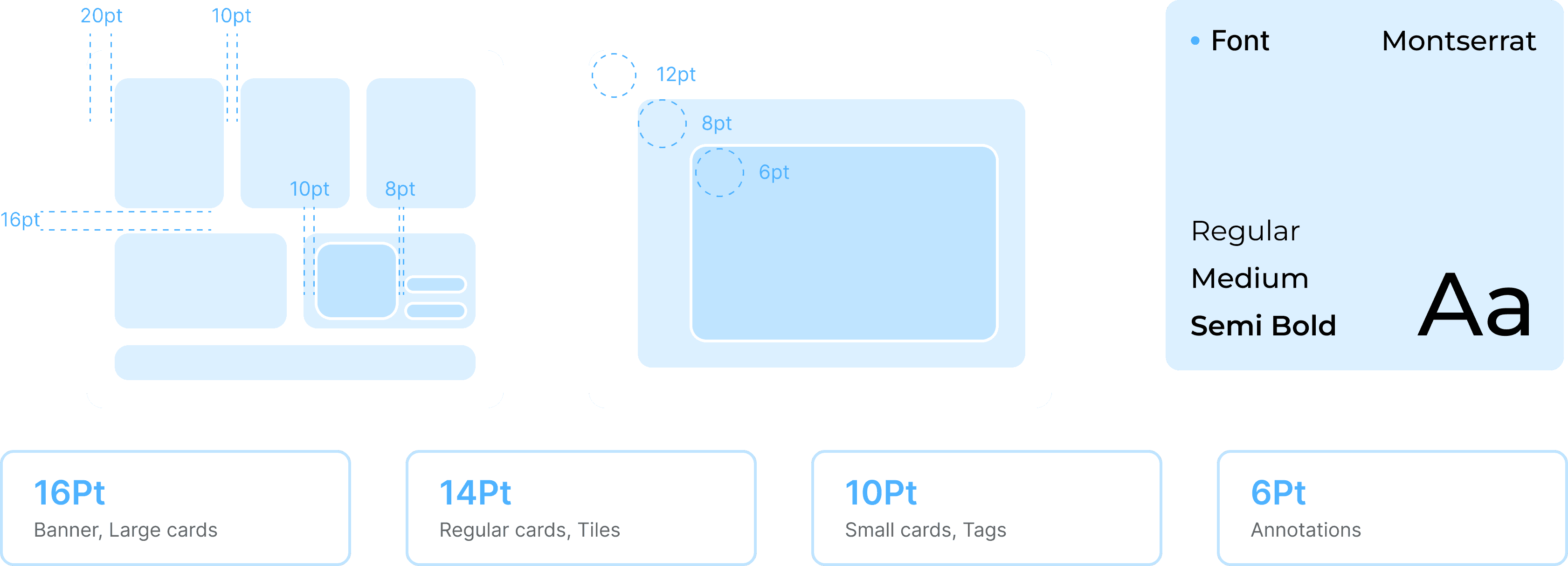
Structure Specification
Color Definition
#5D8CF7
#54C1FB
#EAF1FF
#EDF9FF
Operation flow optimization
DESIGN IDEATION
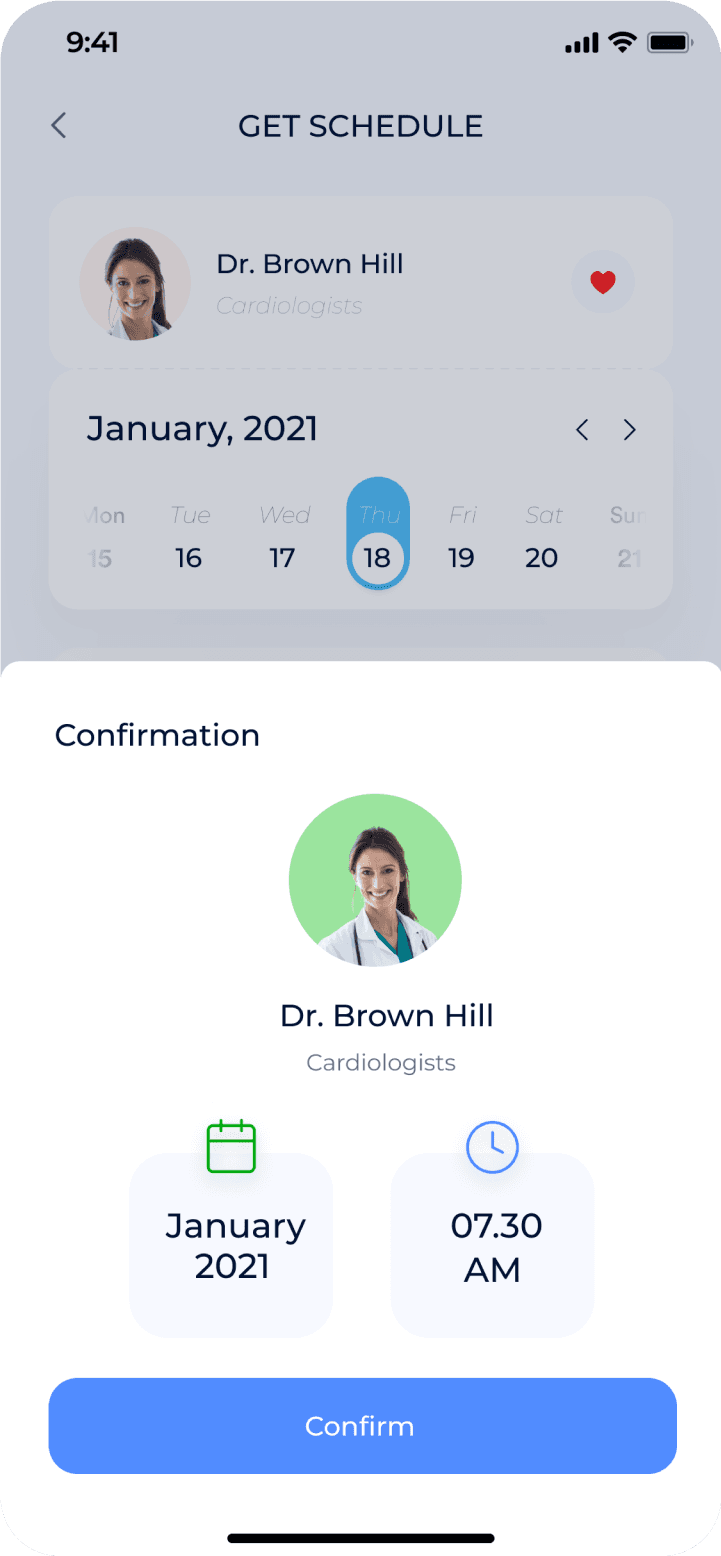
Improve the efficiency of information delivery in user lists and strengthen information categorization.
Added keyword filters and date selection
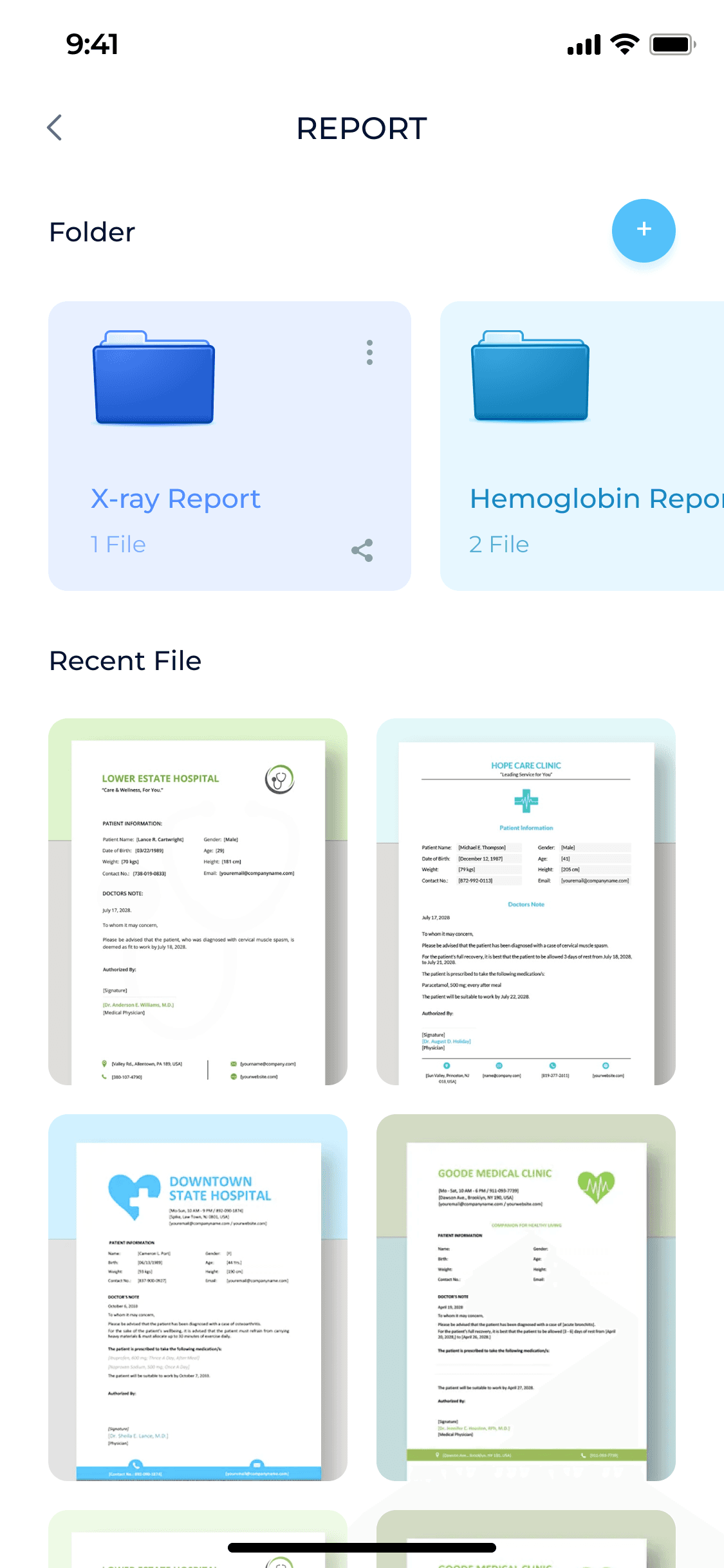
V1
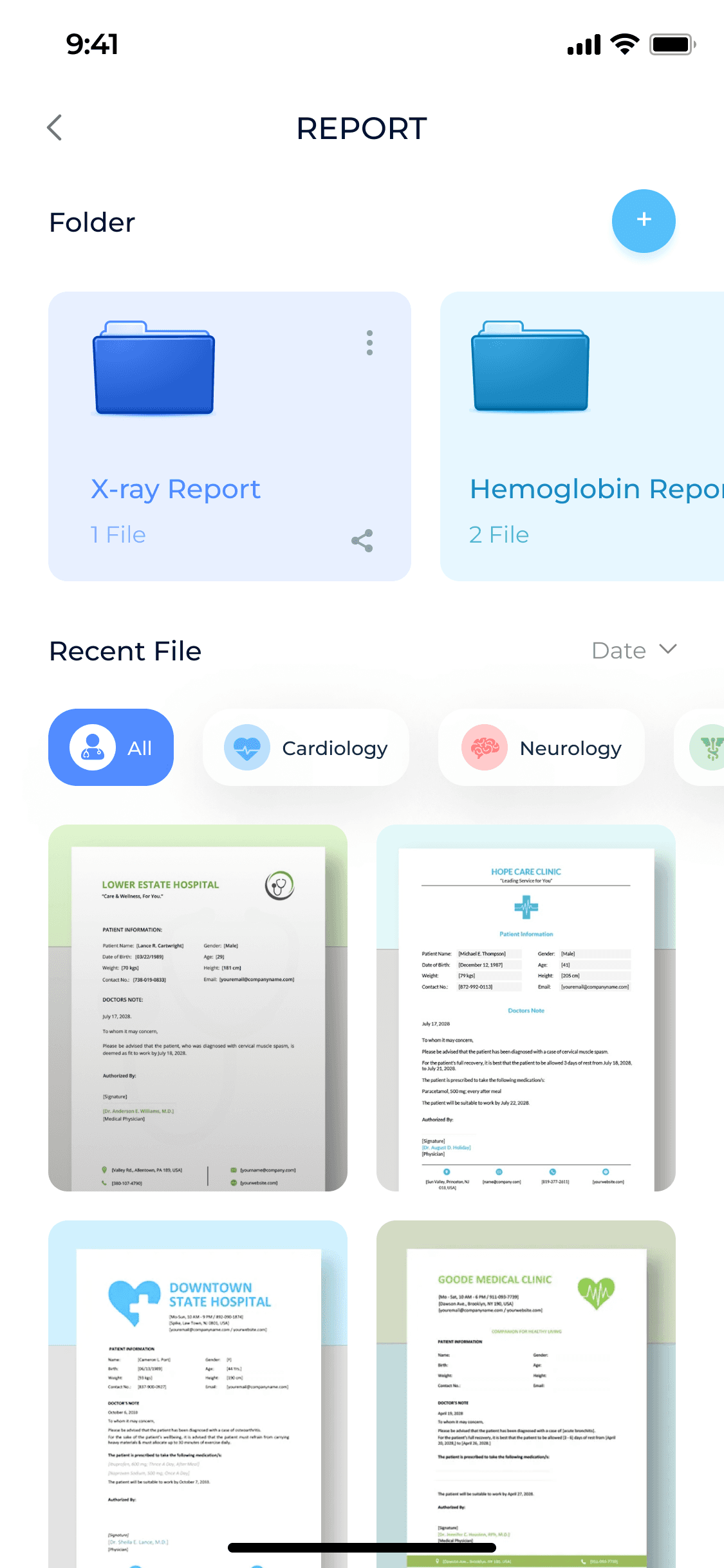
V2
The optimized design enables users to quickly locate files with minimal effort, ensuring a seamless and efficient experience.
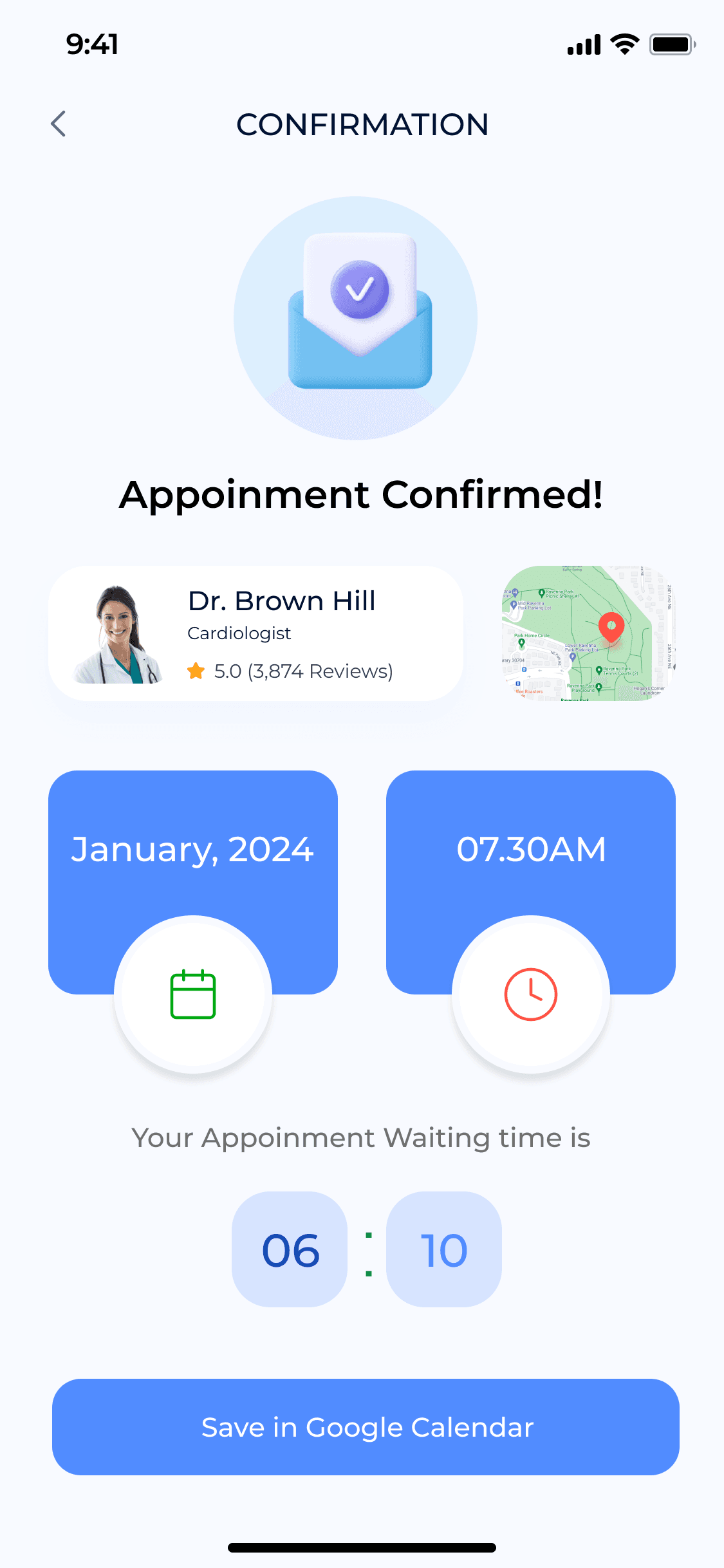
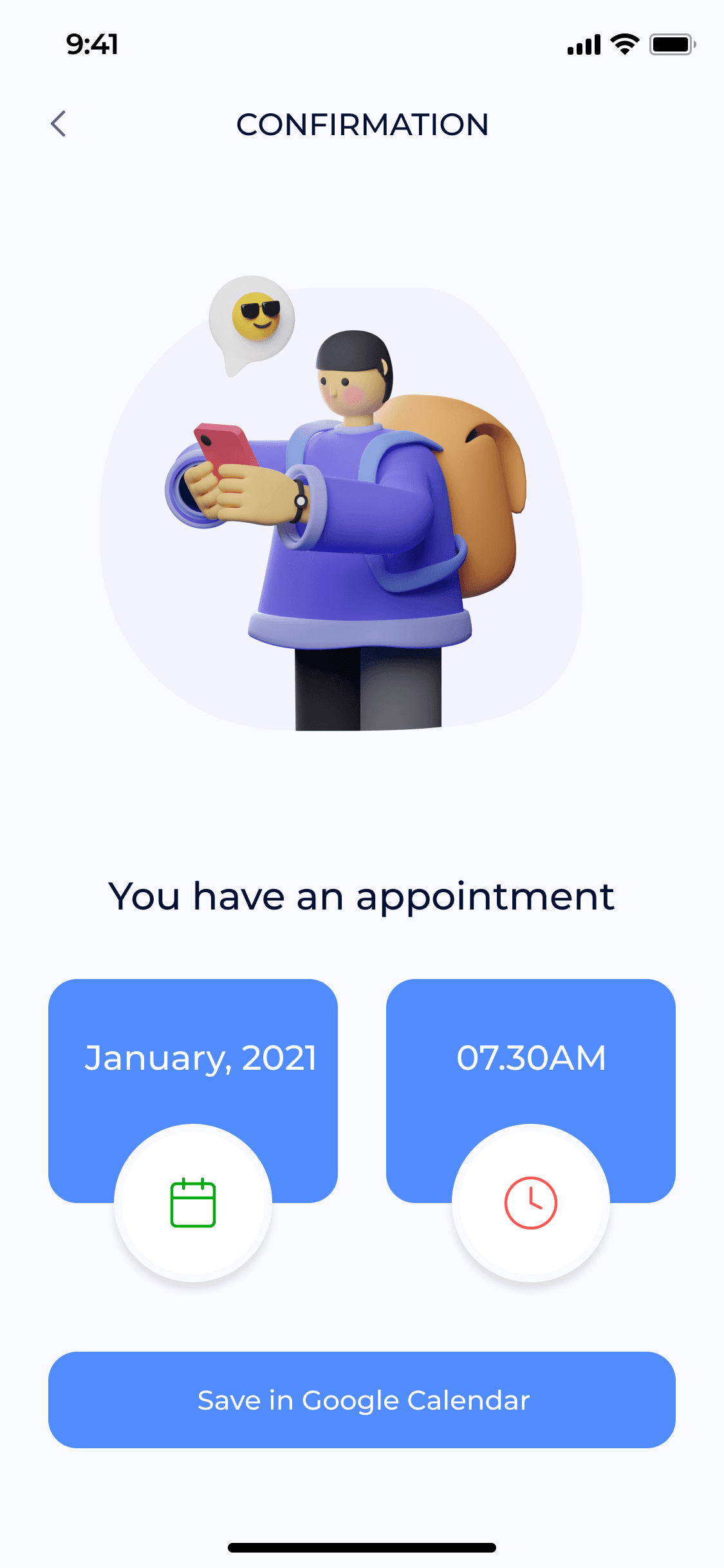
Emphasize doctor information and hospital location
Reduce visual clutter caused by less important information
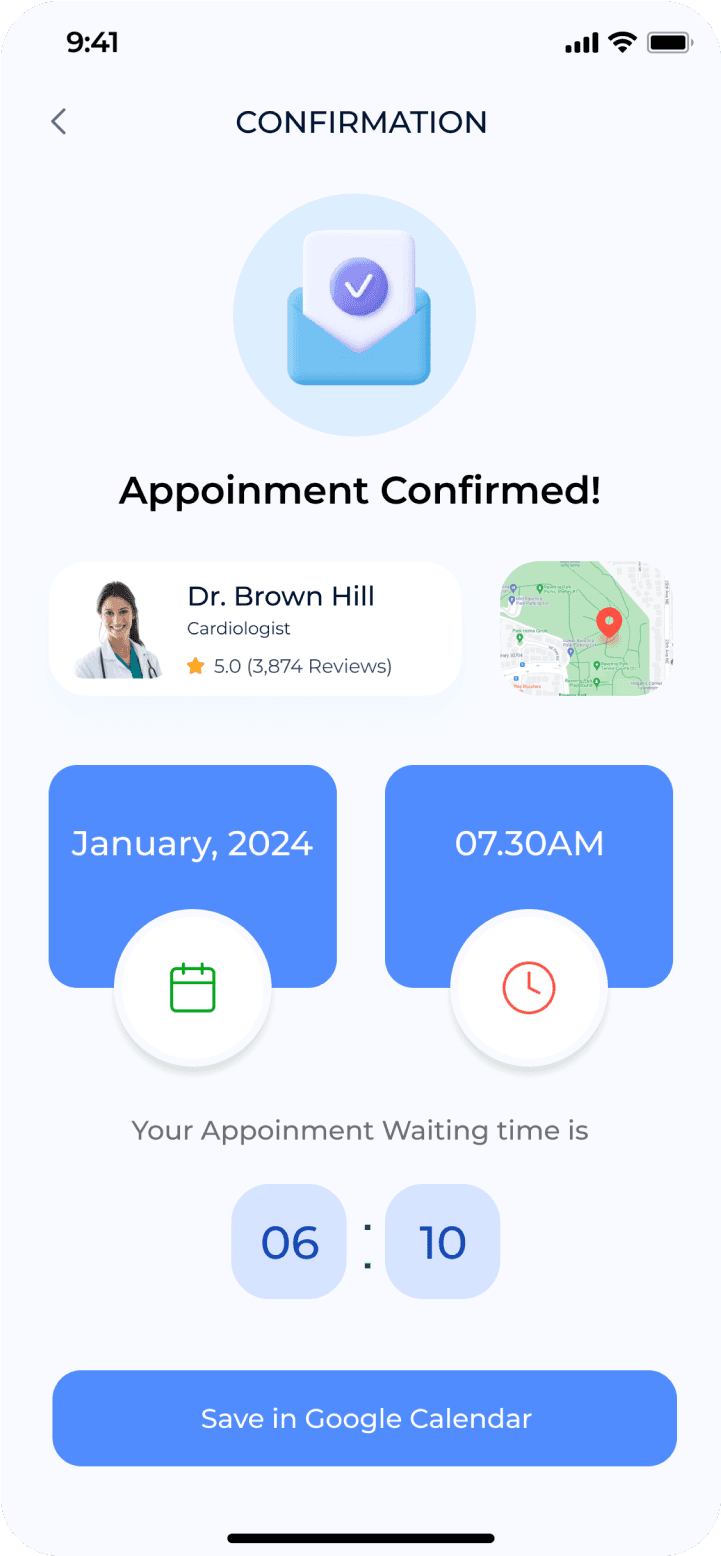
Add a waiting time countdown to help users better manage their time.
The new design ensures users can quickly access key details and reinforces the concept of appointment timing.
V2
V1
Doctor Information Recommendation
Patients can choose the most popular doctor during their first consultation, minimizing communication costs.
Emergency Function Integration
Patients can handle emergencies within the app, reducing steps and simplifying the process

Quick Q&A Section
Patients can view simple questions while waiting, reducing consultation anxiety.

Symptom Classification
Patients can select symptom icons to quickly access targeted help.
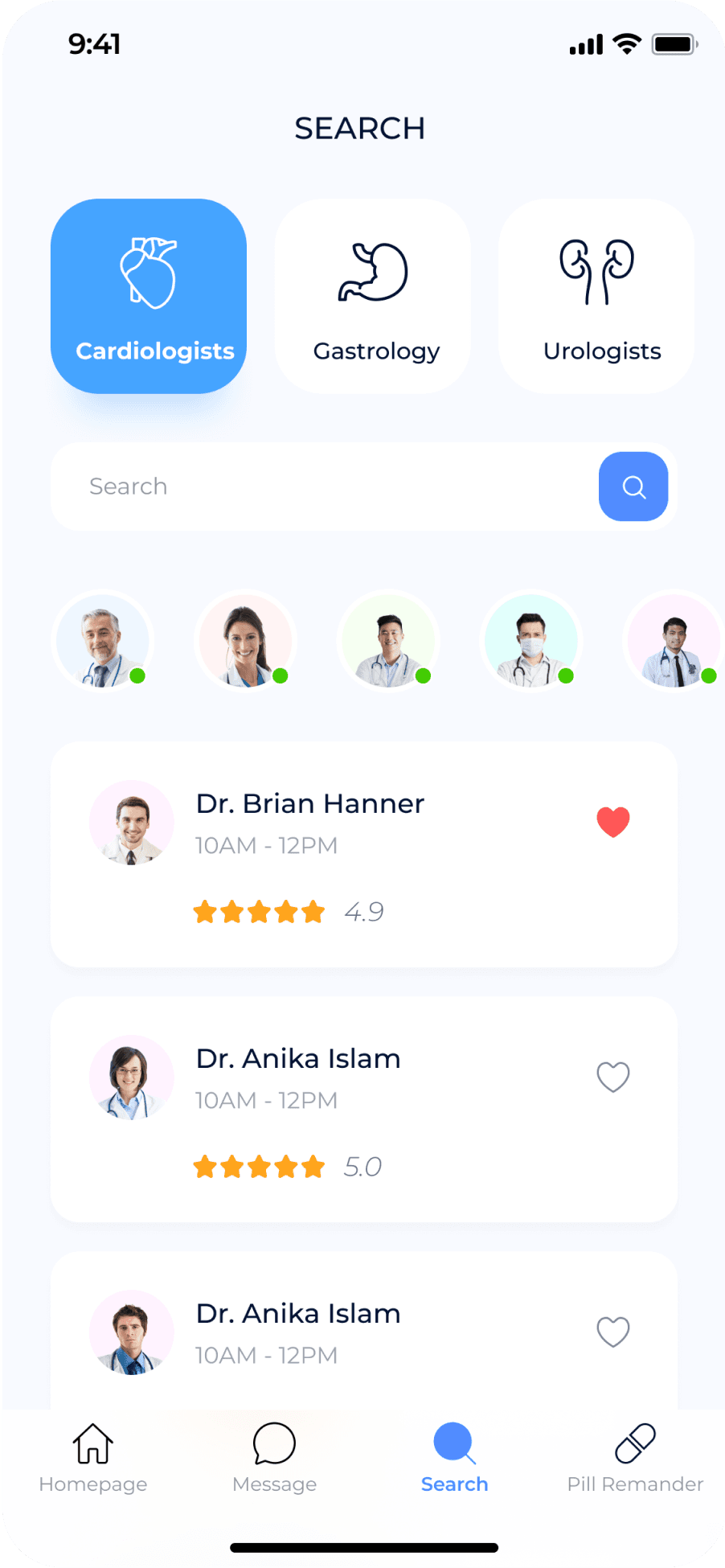
Confirm Department
Patients can select the department using the icon guide for easier classification.
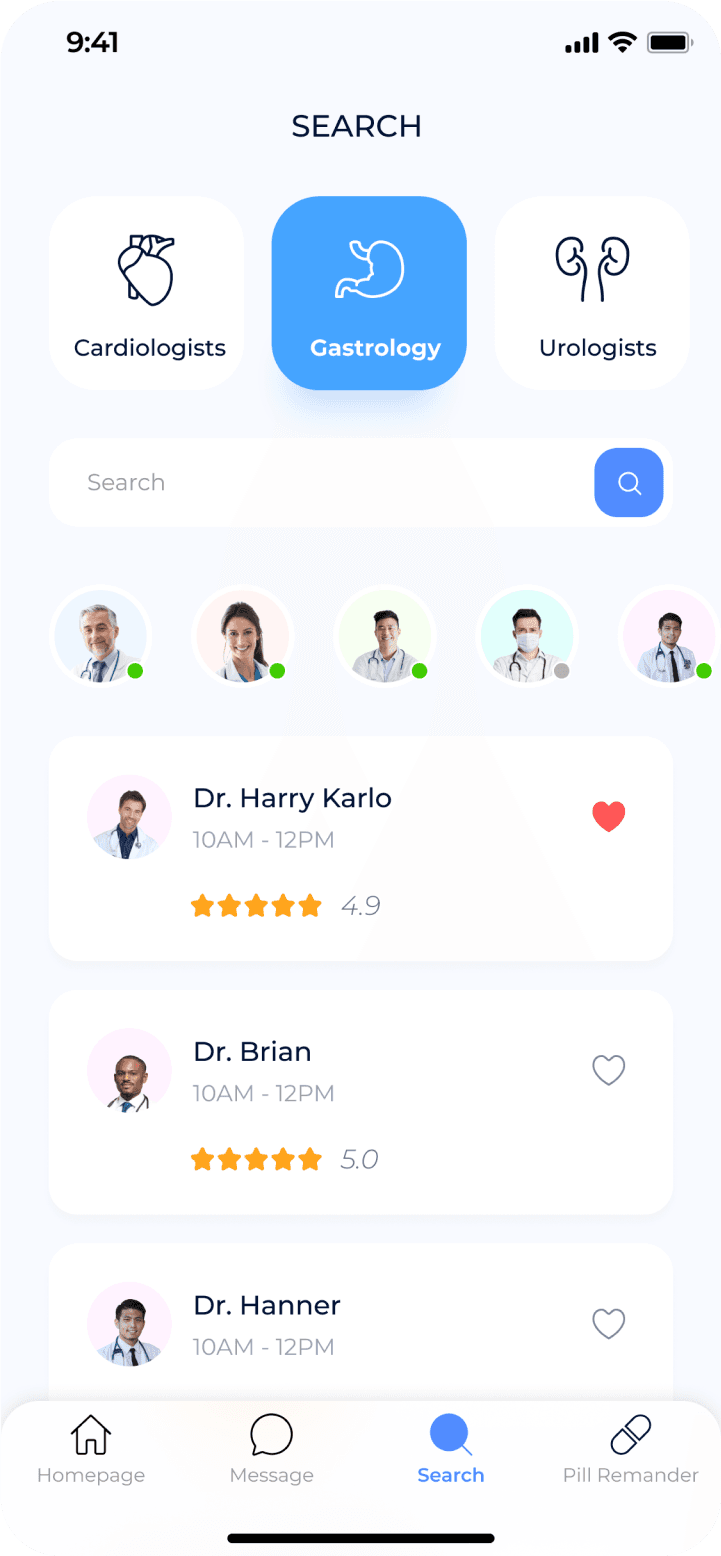
Check Doctor Status
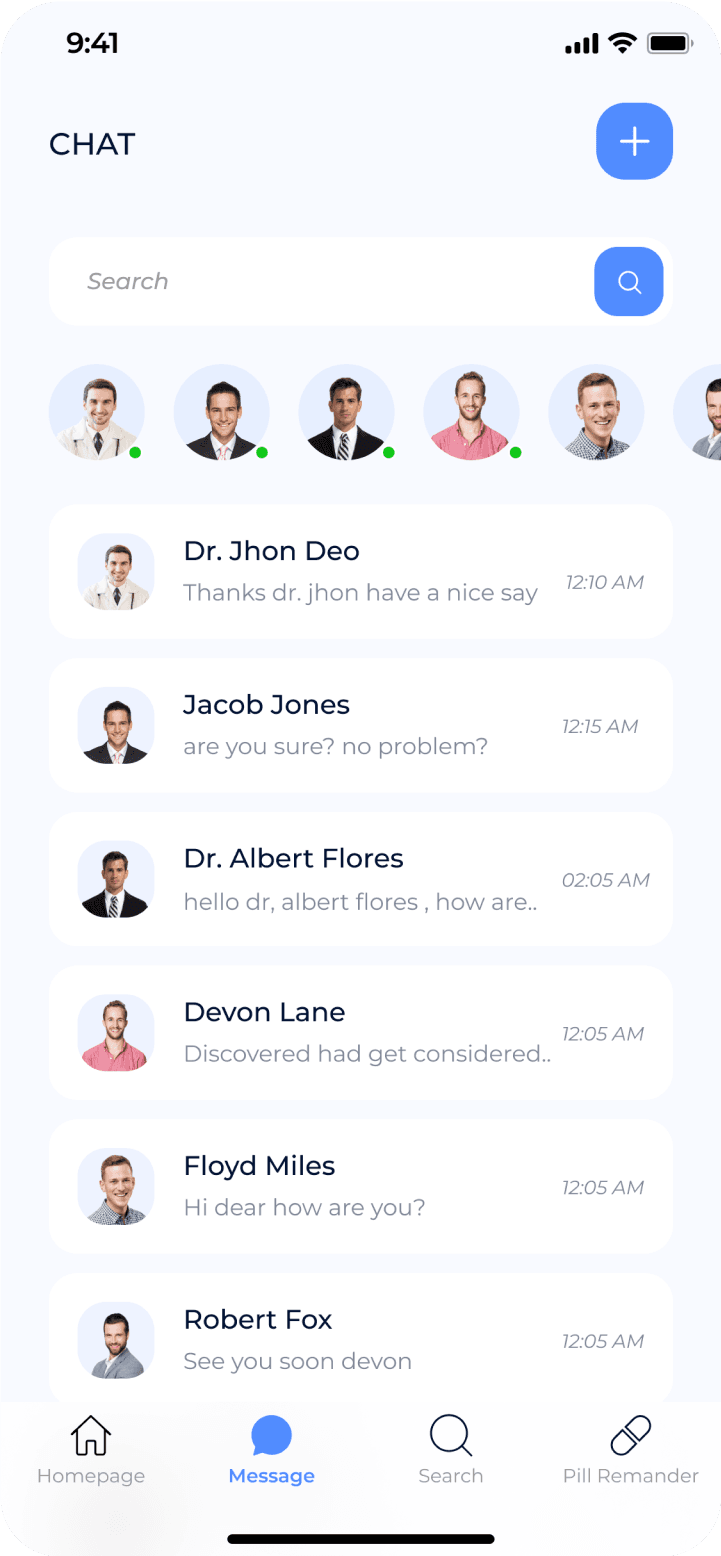
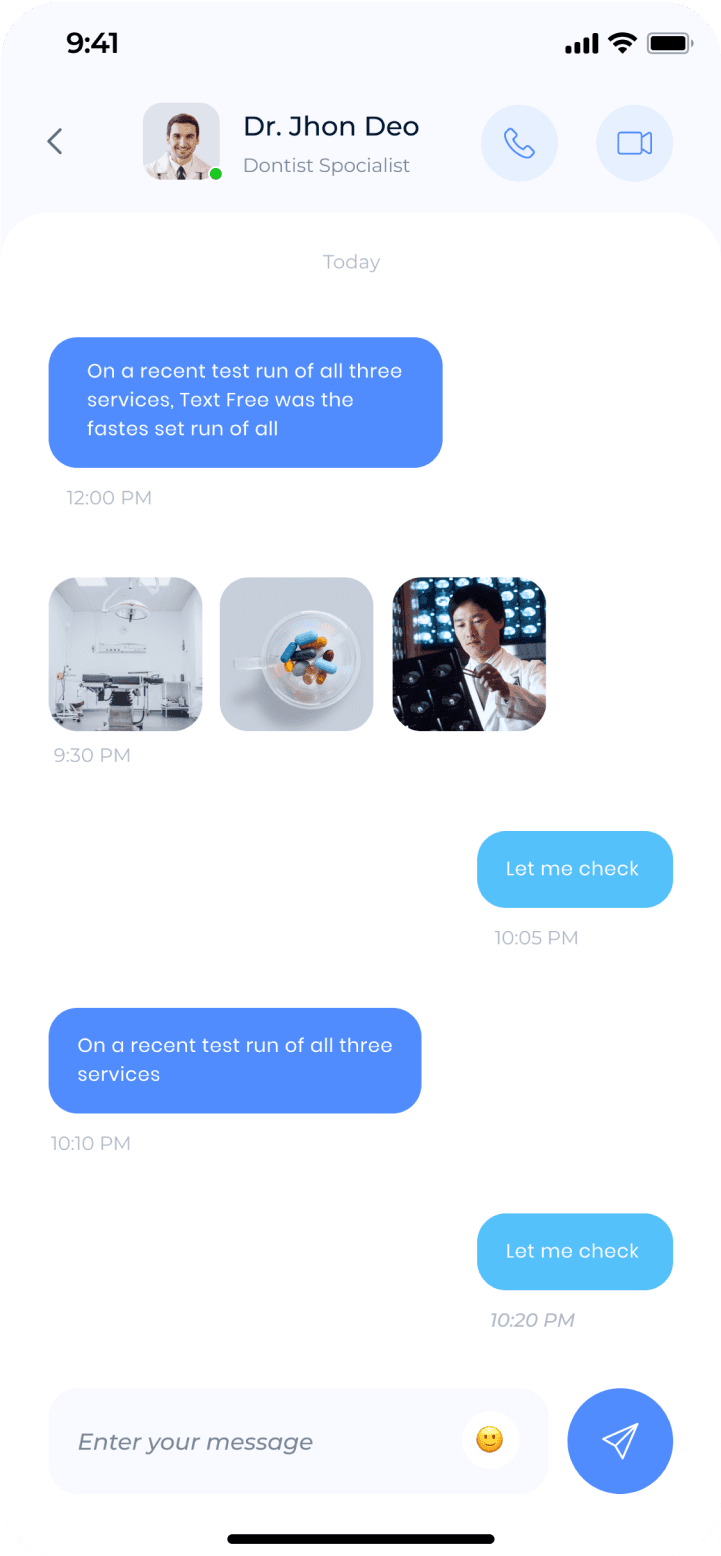
Users can check if a doctor is online via the green dot below the doctor's name for direct consultation.
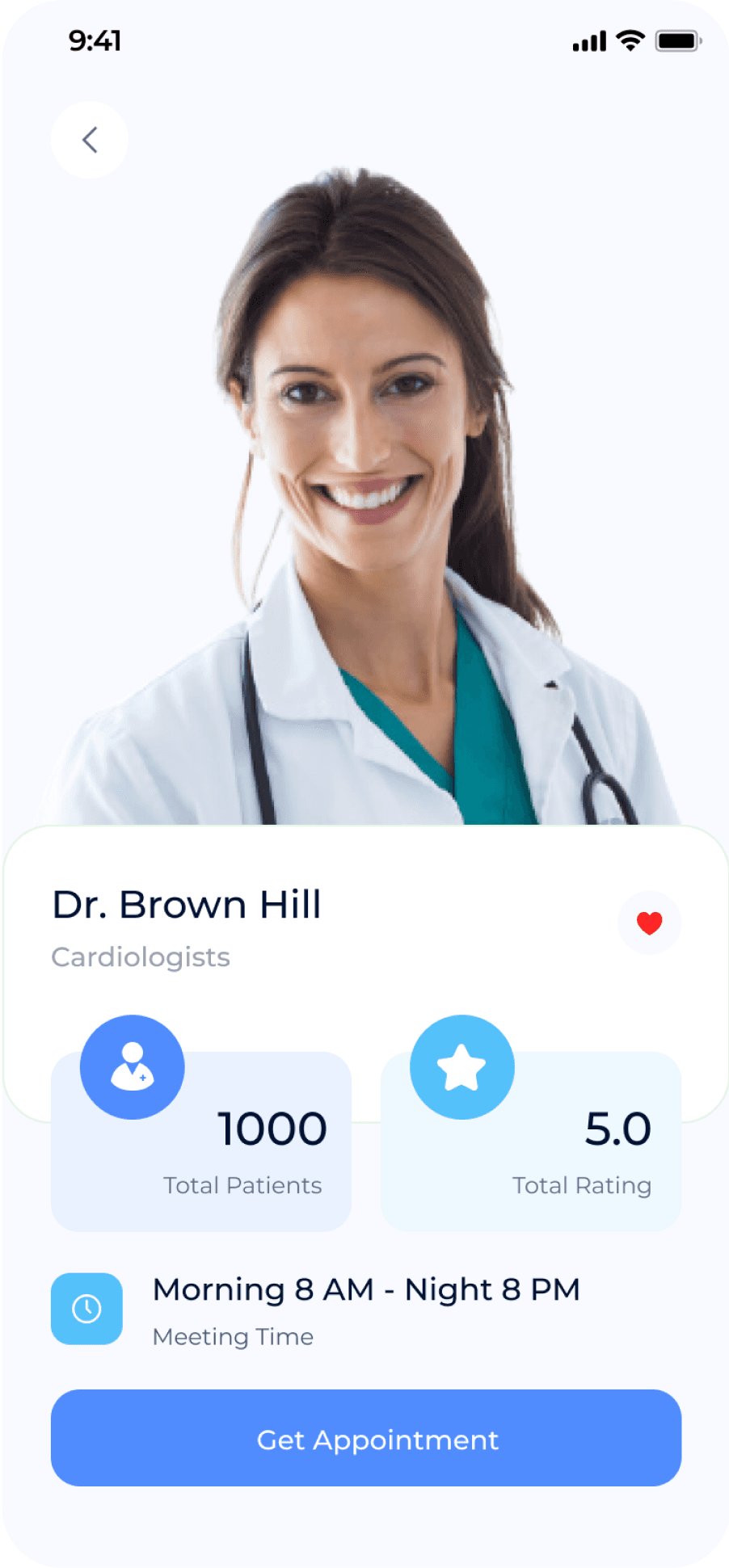
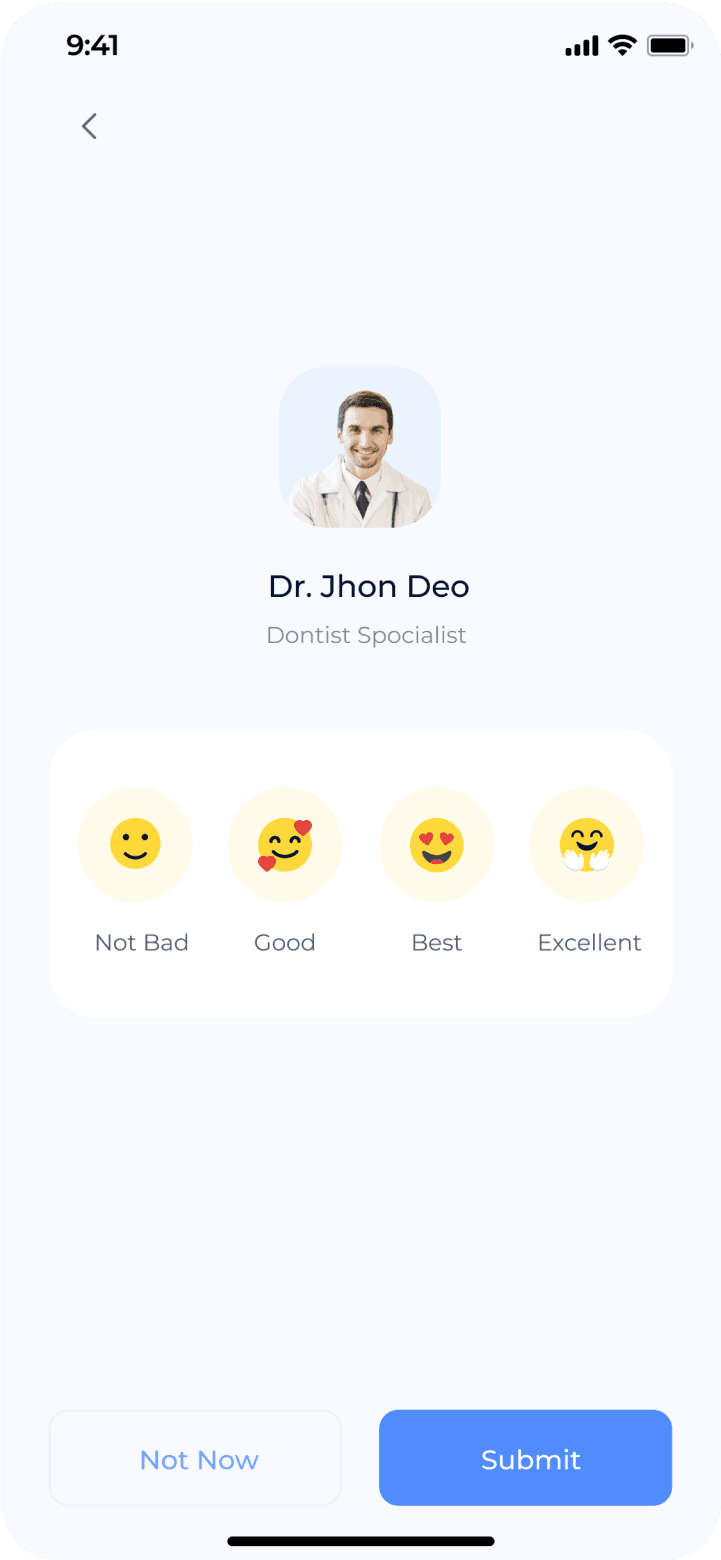
Patients can quickly choose the right doctor by viewing data-based feedback from other patients.
Patient Feedback
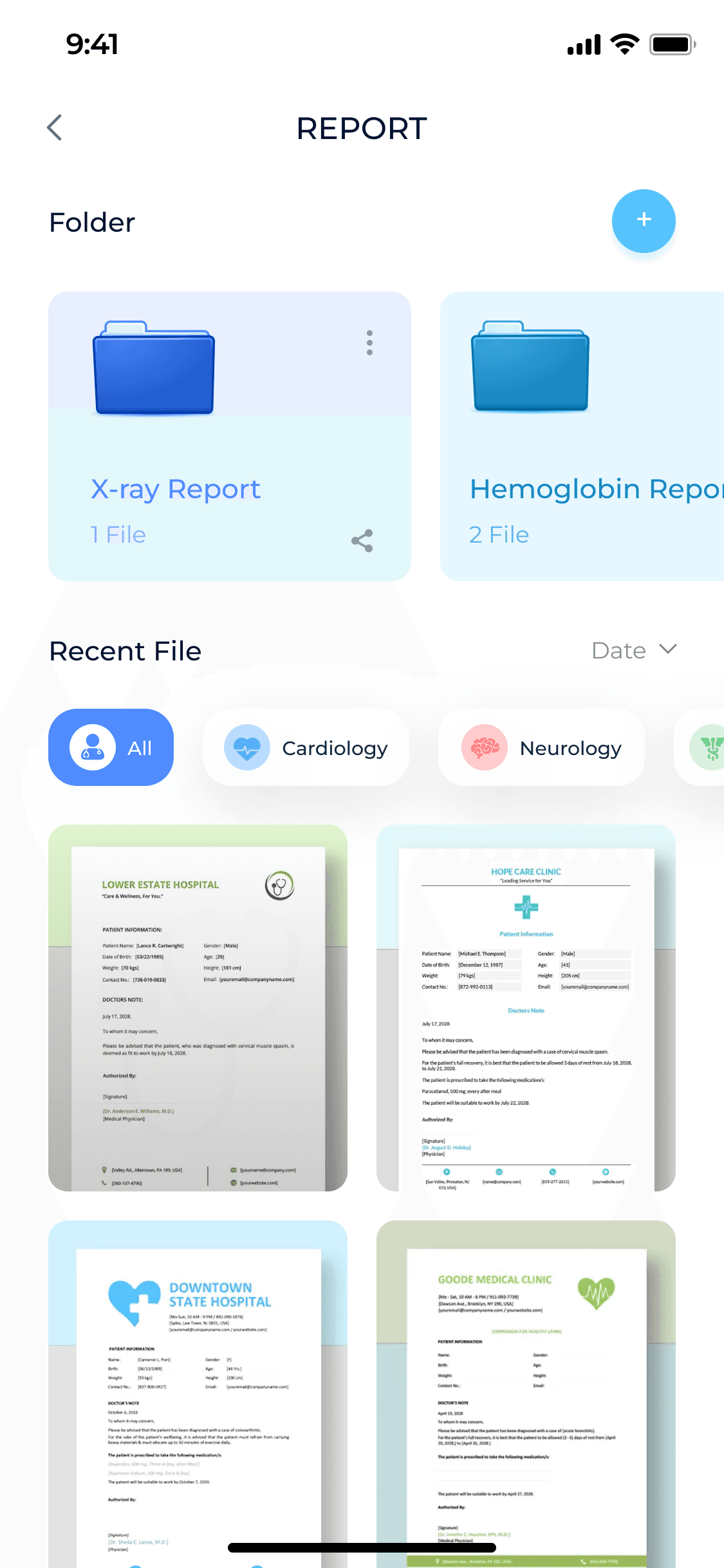
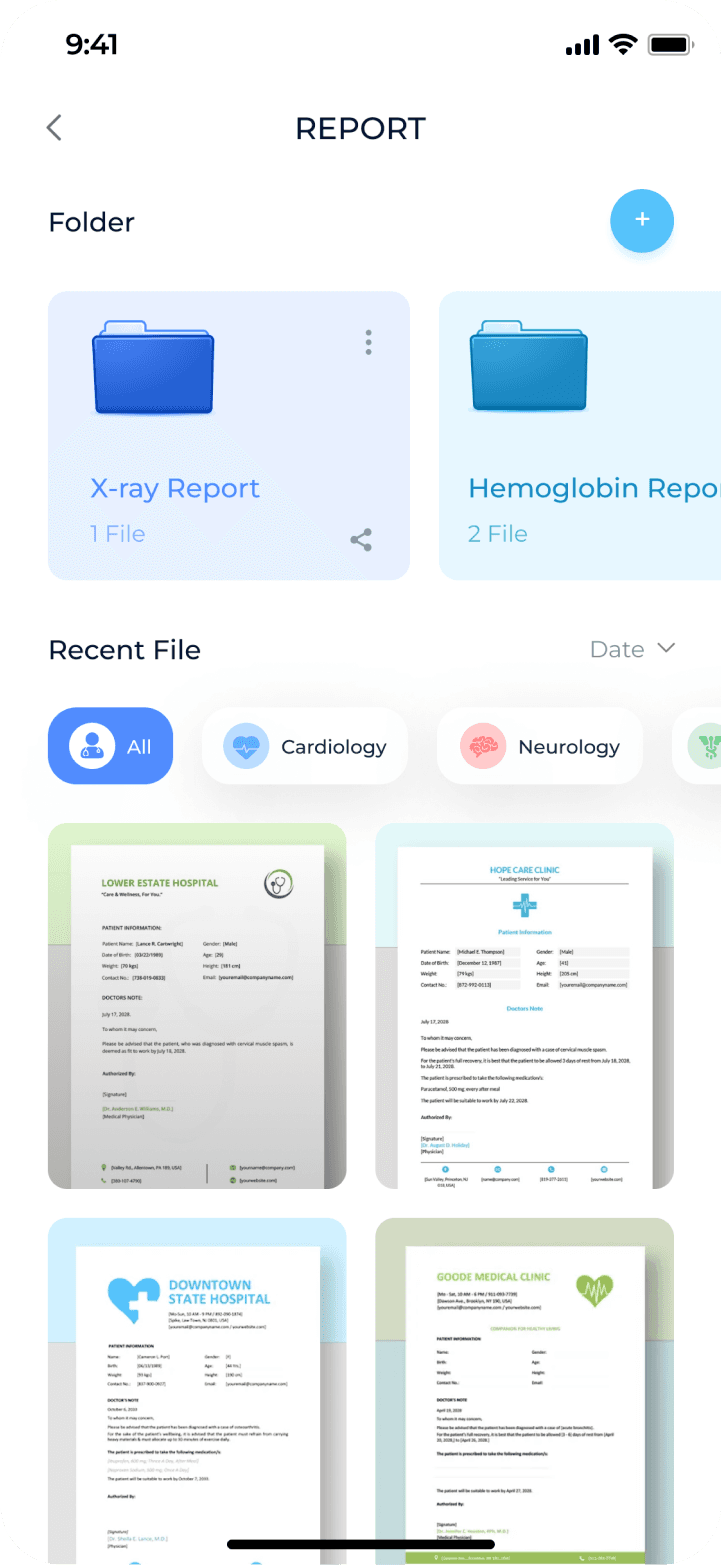
Electronic Reports
Users can directly view reports uploaded by doctors in the document section, preventing loss of reports.
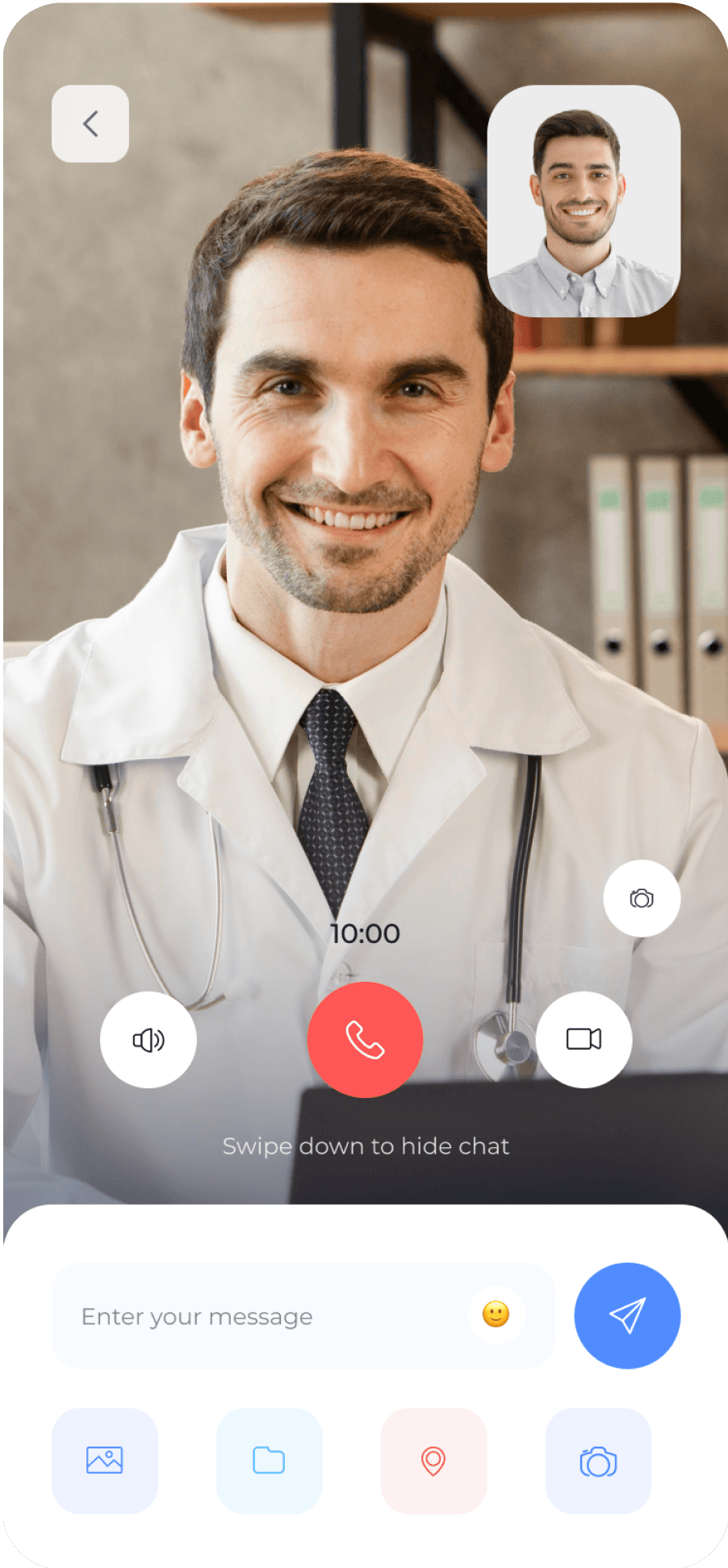
File Sharing
Patients can share information with doctors directly in the app without switching software
FINAL PRODUCT
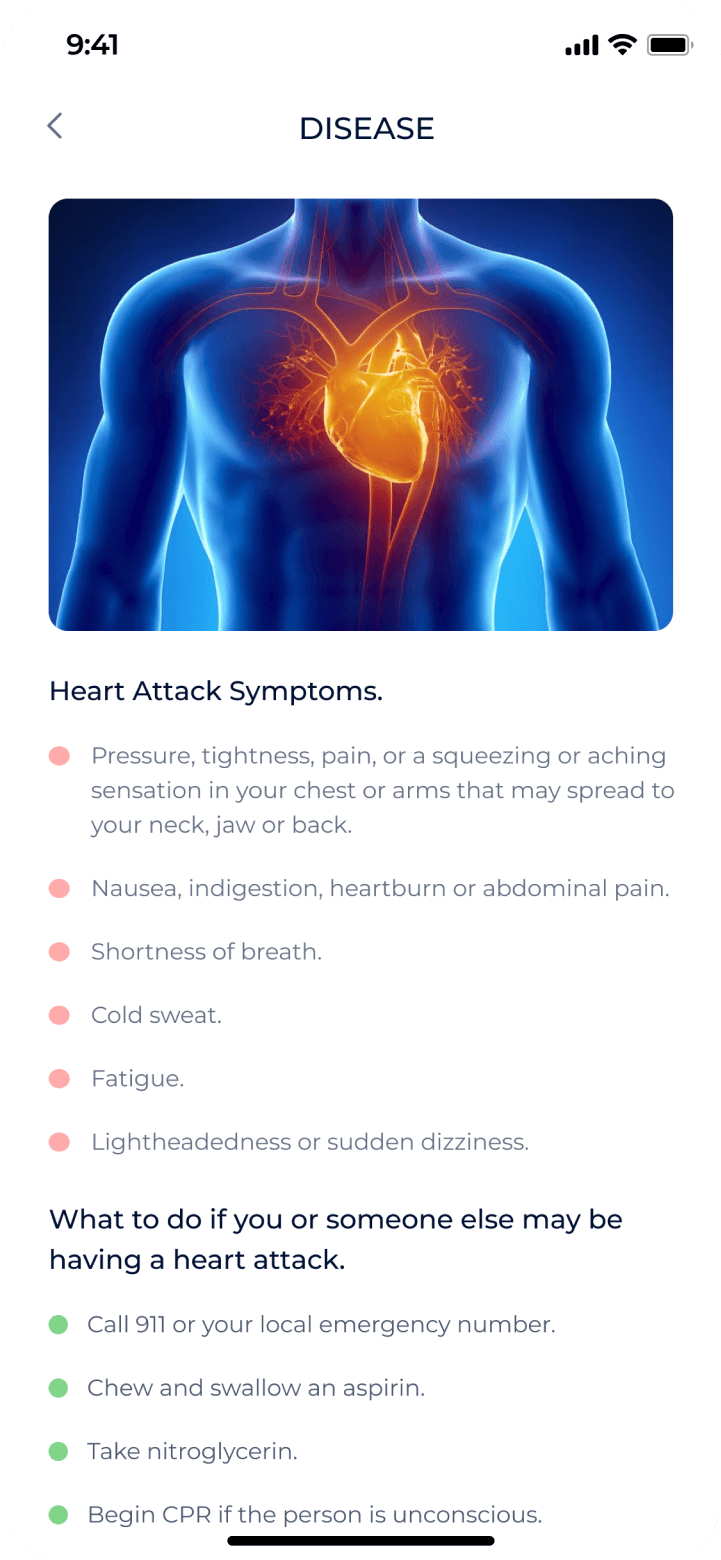
Emergency Care Navigator
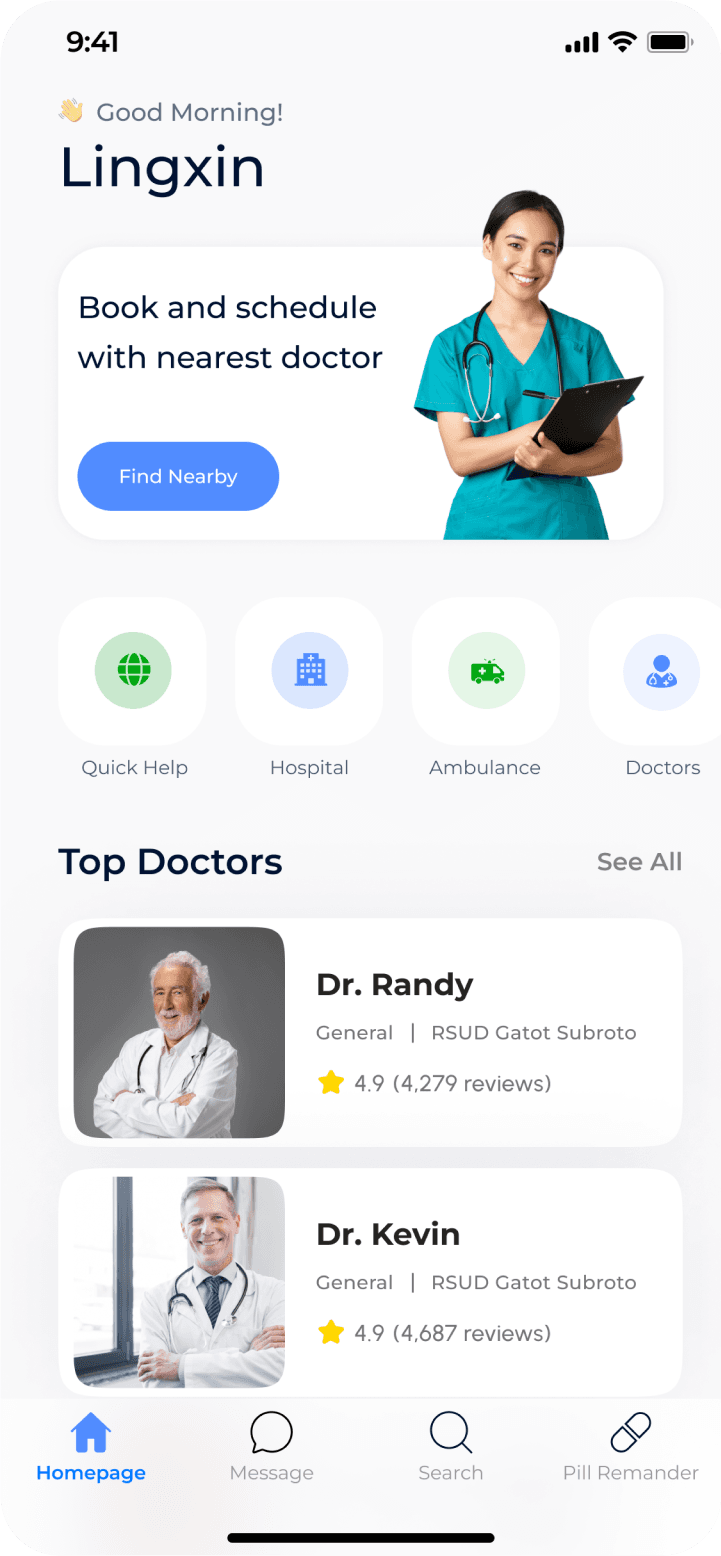
Health Information Hub
Communication and Record Management
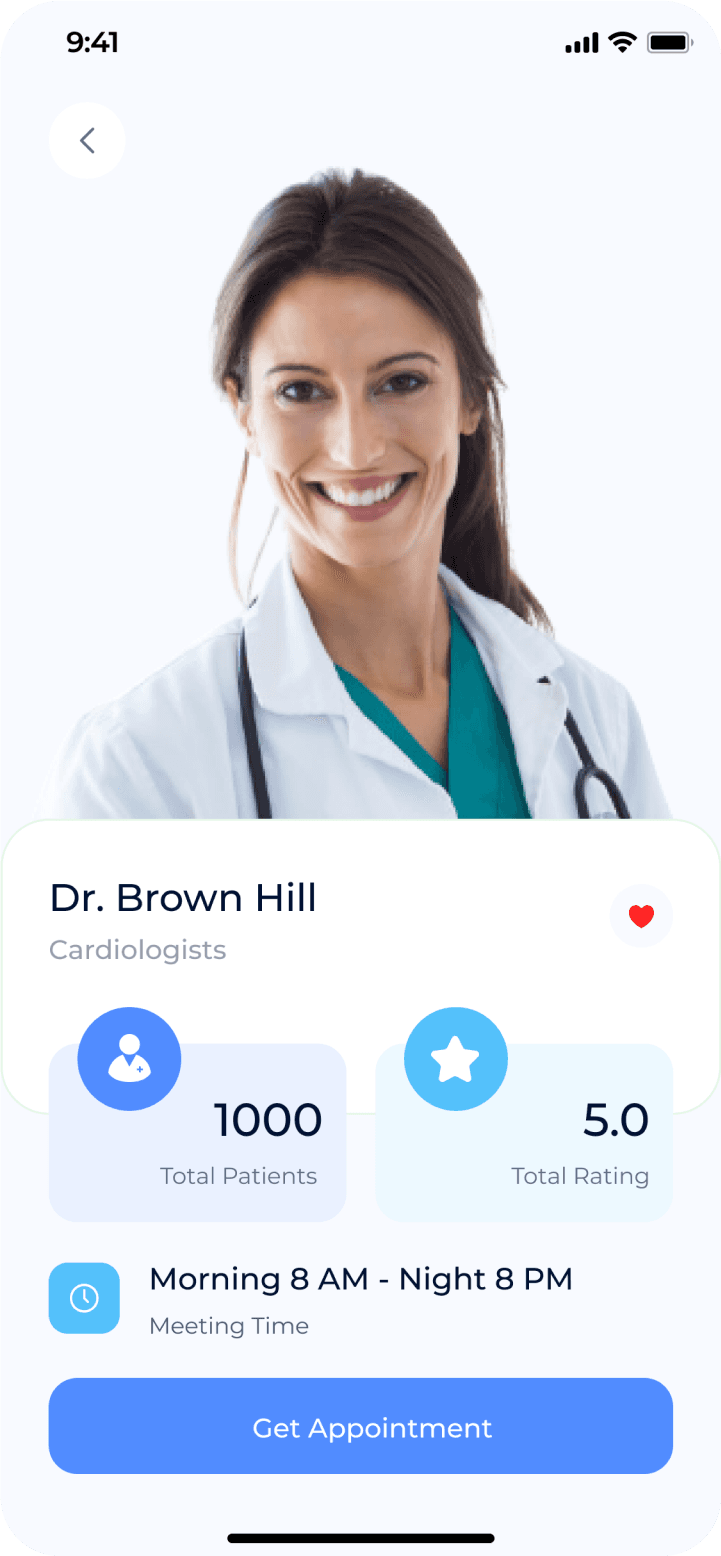
Doctor Search and Appointment Scheduling

Medication Management and Reminders

LEARNING
Enhancing user experience by aligning design with real-world needs.
REFLECTION
In this project, I learned the importance of aligning user-centered design with technical feasibility and business goals. Conducting usability testing and card sorting sessions helped me understand how to prioritize features based on user needs and usage frequency. Additionally, I gained experience in refining information architecture to streamline workflows and improve usability. This process enhanced my problem-solving skills, adaptability, and ability to deliver a seamless and efficient design.
Enhancing user experience through iteration and research.